Introduction to AI-Powered Menus PETOBA
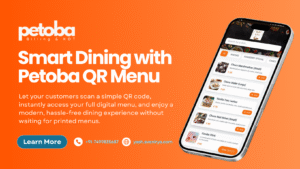
The introduction of artificial intelligence (AI) into the restaurant sector has brought about a new age of efficiency and innovation, with the introduction of AI-powered menus being a chief focus. These high-tech menus leverage data-based insights to improve dining experiences and optimize restaurant operations. With the ever-growing evolution of the food industry, the use of AI-powered menus becomes more obvious in light of providing solutions for some of the industry’s most threatening challenges among restaurateurs.
AI-driven menus revolutionize the conventional menu management to a great extent by allowing real-time modifications and customer-based recommendations based on preferences. With the help of machine learning algorithms, the menus can scan multiple data inputs such as customer order habits, seasonal produce, and promotional offers. Restaurants can thus develop an adaptive eating experience aligning with the constantly shifting preferences of the customers, resulting in improved customer satisfaction and loyalty.
Additionally, AI menus optimize operations through automation of menu development and management processes. Restaurants are able to decrease time devoted to manual updates and have staff concentrate on offering outstanding service. Not only does this technology enable effective management of food products, but it also supports better inventory management in that AI systems can forecast demand and aid in stocking necessary ingredients. The integration of AI into menus therefore reflects a strategic move towards leveraging technology to create increased operational effectiveness and profitability in the restaurant industry.
With the dining landscape evolving further, AI-enabled menus are slowly becoming a necessary tool for restaurants to stay competitive. By enriching the guest experience and accelerating internal processes, such innovative menus are a clear reflection of the immense possibilities of technology in transforming restaurant management.
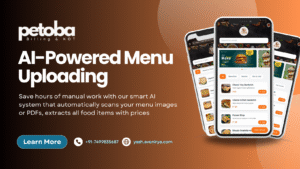
Automated Menu Upload: Eliminate Hours of Manual Work PETOBA
The arrival of menu upload systems with artificial intelligence has revolutionized restaurant management, with much less time being consumed by the earlier laborious task of manual data entry. With advanced algorithms, these menu upload systems have the capability to easily import menu items, prices, and descriptions from current printed or digital menus. By automating this function, not only is efficiency improved but also the margin for error is lost, guaranteeing that the information presented to the customer is both correct and current.
Traditionally, updating a restaurant menu could be a time-consuming task, often involving multiple staff members and numerous revisions. With AI-driven technology, restaurant managers can simply upload a picture or a digital copy of the menu, and the system will handle the rest. This system has been designed to recognize text and categorize items effectively, which allows for a streamlined process that saves valuable time. Therefore, restaurant personnel can prioritize their attention toward customer care and enhancing dining experiences instead of wasting it on clerical work.
Real-world implementations of automated menu upload systems demonstrate their irrefutable advantages. A notable chain restaurant, for instance, saw a 75% decrease in time to process their menu updates once they adopted this technology. No longer encumbered by laborious manual input, managers were free to focus on strategic decision-making and operations improvement. Moreover, this automation has a highly infectious positive impact on teamwork as workers can better cooperate with fewer mistakes in their menu information.
By using AI-driven menu upload platforms, restaurants not only save time but improve the accuracy of their operations. As the restaurant industry advances, these technologies will be essential for restaurants to achieve long-term success. Overall, the capability to automate menu uploads is a huge leap forward for restaurant operating practices, paving the way for an era of efficiency and improved customer satisfaction.
AI Image Uploading: Improving Menu Presentation PETOBA
The incorporation of AI image uploading within restaurant management software has largely revolutionized how restaurant operators display their menus. With the use of this cutting-edge technology, restaurant operators can simply upload good-quality images of their menu items, and the visuals accurately depict the food experience presented. Not only does this enhance ease of operations, but it also improves the overall visual beauty of the menu.
AI software algorithms are instrumental in optimising and processing the uploaded pictures. The algorithms have the ability to improve picture quality automatically, optimising factors like brightness, contrast, and saturation in order to make every dish visually appealing. This process is instrumental, as studies establish that high-quality images play a significant role in user engagement, inviting higher levels of interaction with the menu. Therefore, customers are likely to venture into new products and make informed decisions based on how enticing the dishes look.
In addition, visual presentation plays an important role in influencing customer preference. Menus with engaging visuals are likely to increase sales, as visuals have the ability to invoke an emotional reaction. Best practices are to ensure that images are properly lit and from angles that best present the dish. In addition, having a consistent theme for all images can lead to a uniform brand image, allowing customers to easily identify and remember the restaurant’s dishes.
But balance image application with practicality. Too many images on the menu can result in decision fatigue; hence, using images strategically alongside highlighted items or specials is an effective way to lead customer decisions. Employing AI image upload and following proven best practices, restaurants can greatly optimize the presentation of their menus while creating increased customer interaction.
Editing Multiple Items at Once: Efficiency at Its Best PETOBA
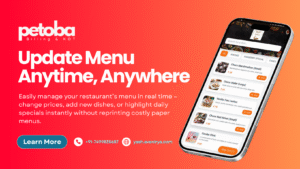
In the busy world of restaurant management, time is money. One of the greatest innovations that AI menus offer is the option to edit several items simultaneously. This feature not only improves operational effectiveness but also helps in maintaining consistency across the offerings of a restaurant. With conventional practices, it is usually a tedious task to update menu items one by one, taking up precious time and risking inconsistencies in menu display. But with an AI-powered system, managers can easily make bulk changes.
Let’s consider an example where a restaurant decides to hike the prices of some items because of increasing ingredient prices. Instead of changing every price point individually, which might take hours, an AI menu enables the manager to choose all items of relevance at once. Not only does this speed up the process of updating, but it also reduces the likelihood of human error, a possibility that is high with manual procedures. What’s more, updates can be implemented across networks, so online menus, printed copies, and in-house digital boards are all brought up to date at once.
Another useful example is when updating seasonal specials. A restaurant would like to delete the old items which are not in season and insert new ones at the same time. With the multi-item editing feature, changes can be made quickly, so guests get the latest information without the lag time of older methods of editing. This feature also aids in faster decision making, enabling restaurants to be quick to adapt to market trends and customers’ tastes.
The efficiency gained through the ability to edit multiple items at once ultimately leads to improved service delivery and enhanced customer satisfaction. As the restaurant industry continues to evolve, embracing tools that facilitate such capabilities will be essential for maintaining a competitive edge.
WhatsApp Order Integration: The Future of Ordering PETOBA
The use of WhatsApp for order placement in the restaurant business represents a major leap in the manner in which restaurants interact with their clients. With its usage of more than two billion people all over the world, WhatsApp is now among the most favored messaging apps, offering customers a friendly and easy interface to place orders. Through this platform, restaurants can automate the process of ordering, providing an innovative alternative to old ways that mainly depend on phone calls or even just visits.
The ease of use is one of the best advantages of integrating WhatsApp orders. The client can easily send the order directly to the restaurant through a simple message, avoiding long delays or even miscommunication. This system allows customers to personalize their orders without a hitch, making it possible for specifications like dietary needs or special demands to be communicated precisely. Restaurants that use this system can walk customers through their menu items by means of automated response programs, which can promote some items or recommend complementary foods.
Also, WhatsApp integration acts as a means of minimizing misunderstandings and mistakes in orders placed. When customers can check on their choices in chat format, miscommunication is highly minimized. Such increased clarity not only enhances customer satisfaction but also minimizes the number of misplaced orders that restaurants have to deal with, leading to improved operational efficiency.
In addition, instant WhatsApp messaging allows immediate communication between the patron and restaurant. The changes, whether items are available or wait times, can be conveyed immediately. This open communication creates trust and assures repeat orders, vital elements for restaurants seeking to flourish in a competitive environment. Overall, the integration of WhatsApp orders marks a revolution in restaurant management, one that benefits customer experience and efficient operation.
Receiving Orders Instantly: Real-Time Notifications
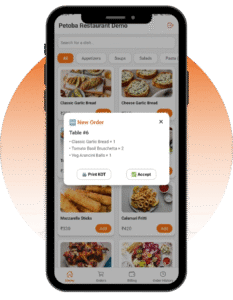
The use of AI-based systems in restaurant operations has made a phenomenal change in the way businesses take and process orders. The most important aspect of such advanced systems is the provision of real-time notifications. Restaurants can instantly receive orders through this technology, which means they can respond quickly and effectively. Receiving orders instantaneously not only simplifies operations but also significantly improves the customers’ dining experience.
Thanks to real-time notifications, kitchen crews are informed of orders as soon as customers order them, regardless of whether the order has been placed through an app, online website, or walk-in at the restaurant. Such instant communication aids in efficient task prioritization, with all orders being processed in the most timely manner. Additionally, it helps with efficiently streamlining kitchen workflows, which can translate to a better-organized and smoother service during high-demand peak hours when consumer demand is highest.
The stakes for customer satisfaction are high. In the current fast-paced setting, customers expect prompt service and instant responses to their orders. Through the use of AI-powered order notification systems, restaurants have the potential to lower wait times considerably, so that meals are made and brought out quickly. This enhancement can lead to customer loyalty since customers will be likely to visit establishments that continually meet their expectation regarding rapidity and quality of service.
In addition, the information collected by these AI systems can be processed to streamline staffing schedules and pinpoint order peak hours. With this intelligence, restaurant managers are able to make fact-based decisions regarding resource allocation and menu offerings, thus enhancing operational efficiency. As the restaurant landscape continues to grow, real-time alerts remain a defining characteristic of AI-based systems that improves front-of-house and back-of-house functions.
Data Insights: Monitoring Customer Orders and Tastes PETOBA
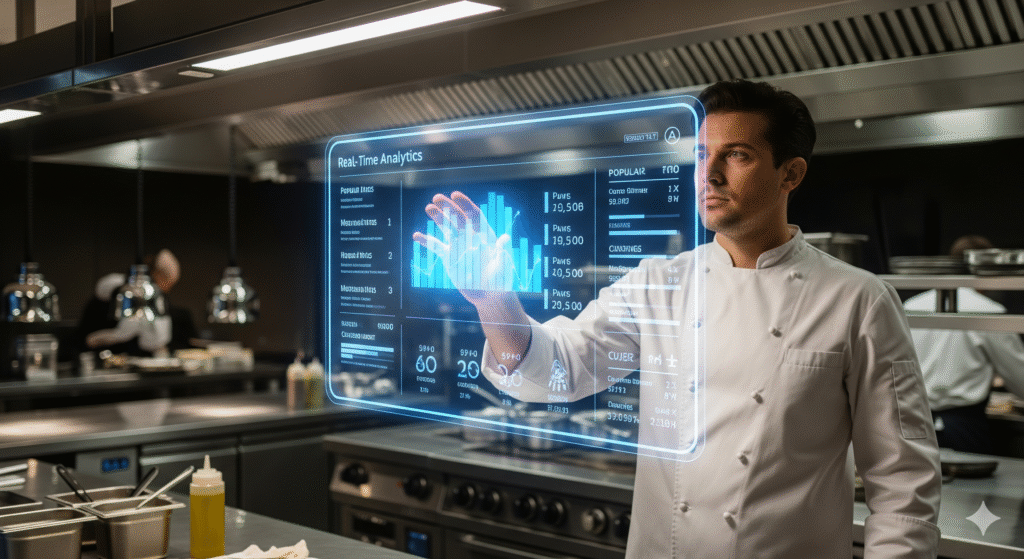
In today’s restaurant landscape, the capacity to capture and interpret customer data is revolutionizing the way restaurants do business. With advanced order systems, restaurants can obtain different kinds of data that serve to shape the understanding of customer habits and affinity. The data obtained can range from customer count, which monitors the number of visitors going to the restaurant, to comprehensive order history reflecting the popularity of certain menu items. By collating this information, restaurants are able to spot trends over time, which allows them to make their offerings more in line with customer preferences.
One of the most important benefits of using customer information is in menu optimization. For example, seeing what food is often ordered can inform chefs about demand and be used to modify recipes or pricing. In addition, determining seasonal affinities can help shape limited-time items to suit customer appetites, ultimately generating revenue. Also, restaurants can use these data insights to segment customers to devise targeted marketing initiatives. For instance, frequent customers can be rewarded with loyalty programs or special offers, while new customers can be offered personalized suggestions based on initial orders.
Extending customer relationships also relies on leveraging gathered data effectively. Through monitoring of preferences and regular orders, restaurants are able to make their customers feel special by giving them a personalized experience. Not only does this create a feeling of familiarity, but repeat business is also facilitated because customers are more likely to come back to an establishment where they feel noticed and appreciated. In total, utilization of customer order and preference insights through data empowers restaurants to make better decisions that will improve operational efficiency, marketing efforts, and customer satisfaction in general, resulting in a more successful business.
Seamless Tracking and Handling: Simplifying Operations PETOBA
The incorporation of AI-driven menus into restaurant management has greatly transformed operations tracking and handling. These cutting-edge systems offer smooth organization through the automation of routine tasks, thereby allowing restaurant owners and workers to focus on providing excellent service and quality food. One major benefit of AI is the ability to track stock levels in real-time. Through accurate tracking of ingredients, restaurant operators can maintain adequate supplies while reducing wastage. This forecasting inventory management not only lowers operating expenses but also improves the overall dining experience by ensuring the availability of popular menu items at all times.
In addition, AI technologies enable efficient customer relationship management (CRM). They gather and examine customer information, detecting likes and eating patterns that enable restaurant owners to customize their products and marketing strategy accordingly. Through the knowledge of customers’ behavior, restaurant administration is able to customize engagement and build loyalty, which is critical in the current competitive environment. With capabilities such as automated feedback gathering, AI enables restaurants to tackle complaints quickly and effectively, ensuring a great dining experience and prompting repeat business.
Besides managing inventory and customers, AI menus make it easy to track finances. These menus give insights into sales performance, labor expenses, and operational efficiencies. Since they offer in-depth analytics, restaurant owners are provided with useful information that enables them to make effective decisions. They can determine the most profitable dishes, modify price plans, and analyze employees’ performance, making each part of the restaurant efficient in driving success.
In total, using AI technologies in restaurant management makes the business run very efficiently, with proprietors able to concentrate on what’s most important: serving good food and a great dining experience to their patrons. The outcome is a more productive business that’s capable of conforming to trends in the industry while remaining profitable and satisfying the customer.
Conclusion: Adopting AI for Competitive Advantage PETOBA
With the evolving nature of the restaurant business, the use of AI-based menu systems comes across as a key strategy in maximizing business performance. These new technologies promise a host of advantages that can have a valuable impact on operational effectiveness, customer satisfaction, and, in the end, profitability. Through the use of AI to create individualized menus, restaurant business owners can react to customers’ needs in real-time, thus enhancing customer loyalty and satisfaction.
AI-driven menus empower decision-making based on data, allowing businesses to study the trends of consumers and refine their menus based on the same. Restaurants can thus not only keep themselves relevant in a competitive marketplace but also project customer needs with great precision. In addition to this, the systems can also automate inventory management by forecasting demand for different dishes, thereby causing minimal food waste and ensuring efficient use of resources.
The upgraded customer experience that AI technology has to offer cannot be overemphasized. When customers are given menu choices based on their palates and dietary restrictions, it generates a customized dining experience that encourages repeat customers. Further, the inclusion of AI can streamline orders, enabling personnel to devote more time to higher-value interactions with customers, hence enhancing service efficiency.
In short, adoption of AI-based menu systems is not merely about competing with others; it is about engaging in proactive action for innovation and operational superiority. Restaurant business owners who see the promise of these technologies will find themselves well-positioned to contend with market challenges and to leverage new opportunities. As you plan for your future, we invite you to look into incorporating AI solutions, becoming the innovator in a fast-paced industry. The time for technology for competitive advantage is here.