Introduction to Digital Menus
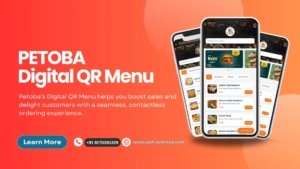
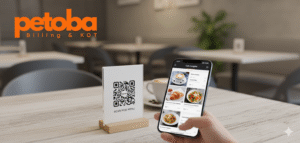
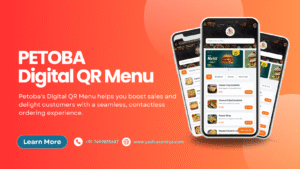
In recent years, the restaurant industry has witnessed a significant shift towards digital transformation, particularly in the way menus are presented to customers. Digital menus, often accessed through QR codes, have gained traction as establishments seek to enhance their dining experiences while adapting to modern customer expectations. This trend is marked by the increasing demand for contactless dining options, which prioritize convenience and safety, especially in light of the global pandemic.
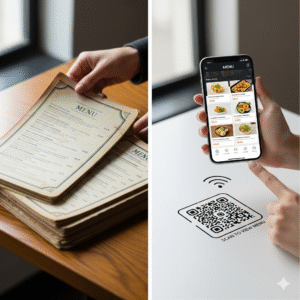
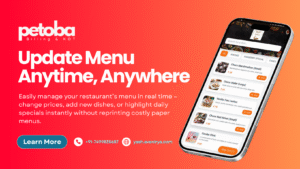
Transitioning from traditional paper menus to digital formats allows restaurant owners to streamline operations while reducing overhead costs associated with printing and menu updates. Digital menus can be updated in real time, enabling restaurants to reflect changes in menu items, prices, and even daily specials without delay. This flexibility not only improves efficiency but also caters to the dynamic nature of the food and beverage industry, placing businesses in a better position for growth and customer satisfaction. When integrated into restaurant technology, such as mobile applications and websites, digital menus provide additional avenues for engagement and marketing strategies, further enhancing patron interactions.
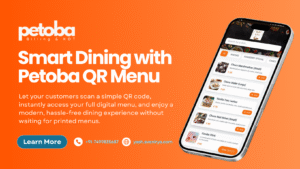
Moreover, QR menus improve the overall dining experience by providing customers with immediate access to detailed information about each dish, including ingredients, nutritional information, and possible allergens. This transparency empowers diners to make informed choices while promoting a more personalized dining experience. The implementation of a digital QR menu fosters an environment where technology serves to bridge gaps between restaurants and their customers, ultimately leading to better business growth outcomes.
The popularity of digital menus underscores a broader trend where businesses are increasingly recognizing the value of technology in enhancing operational efficiency and customer relationships. As we delve deeper into the transition from paper to digital, it will become evident how innovations like Petoba play a pivotal role in revolutionizing how restaurants function in today’s technology-driven marketplace.
The Benefits of Switching to a Digital QR Menu
The transition from traditional paper menus to a digital QR menu signifies not just a change in format but a critical step towards embracing digital transformation in the restaurant industry. One of the primary advantages of adopting a digital QR menu is the significant cost savings it provides. Restaurants can drastically reduce printing and reprinting expenses associated with paper menus, particularly as they frequently update offerings. With a digital menu, updates can be made instantly and without the additional costs of physical production.
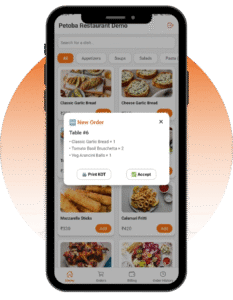
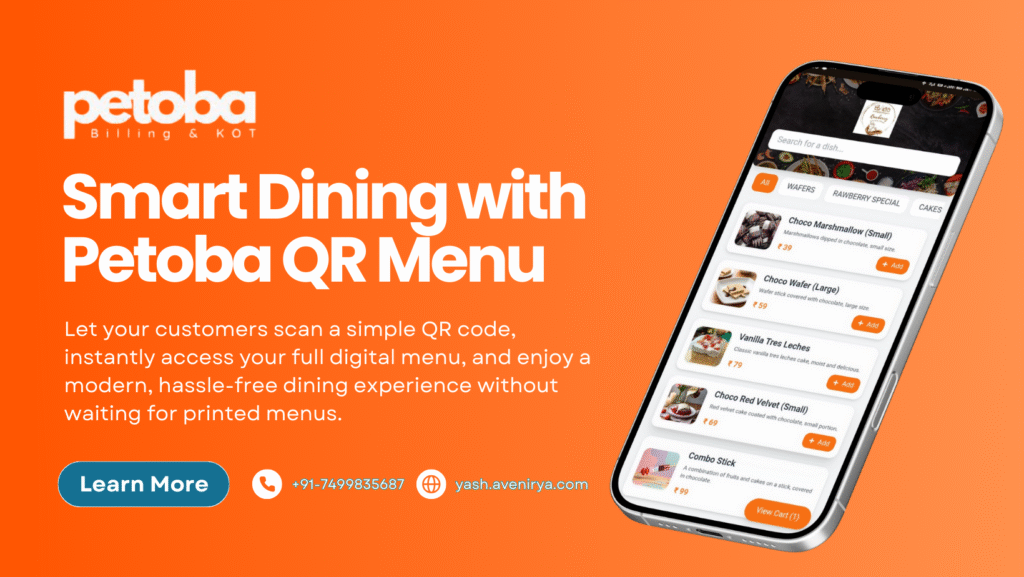
Moreover, a digital QR menu enhances customer engagement. By scanning a QR code, patrons gain immediate access to an interactive menu that can include high-quality images, detailed descriptions, and even pairing suggestions. This level of personalization not only elevates the dining experience but also encourages upselling, contributing to increased sales and business growth. Restaurants leveraging advanced restaurant technology, such as Petoba, can track customer preferences and modify their offerings based on real-time feedback.
Hygiene has become an increasingly vital concern for diners, particularly in the wake of the global pandemic. A digital QR menu reduces physical contact, thus aligning with the growing trend of contactless dining. Customers can view their options on their personal devices, which minimizes potential health risks associated with shared menus. Furthermore, this approach is also more accessible for individuals with disabilities, as many smartphones are equipped with features that enhance usability for such customers, promoting inclusivity within the dining environment.
The adoption of a digital QR menu not only provides ample benefits but also positions restaurants at the forefront of modern dining practices. As the industry continues to evolve, embracing digital solutions becomes imperative for maintaining a competitive edge. With tools like Petoba, restaurants can innovate and improve their offerings, ensuring a seamless and engaging dining experience for all patrons.
Choosing the Right Plan with Petoba
When transitioning from traditional paper menus to a digital QR menu, selecting the right plan with Petoba is crucial for ensuring an efficient integration of restaurant technology. Petoba offers a variety of plans tailored to meet the diverse needs of restaurants, ranging from small local establishments to larger enterprises. Understanding these options can significantly influence a restaurant’s digital transformation journey and its capacity for business growth.
To start, it is essential to evaluate the different plans available from Petoba. Each plan comes with unique features such as menu customization, analytical tools, and support services, which can be vital in creating a contactless dining experience for patrons. A small café may benefit from a basic package that provides essential features at a lower cost, while a larger restaurant might require a more comprehensive plan that offers additional functionalities and support. Assessing the size and type of your restaurant will guide you in choosing the most appropriate plan.
Key considerations when selecting a plan include the restaurant’s budget, goals, and specific needs. For instance, if a restaurant aims to prominently feature its culinary selections and enhance customer interaction, investing in a plan with extensive customization could be advantageous. Additionally, it is important to consider the technical capabilities of your staff and the level of customer service support you may need. Conducting a cost-benefit analysis can help determine whether the investment in a higher-tier plan will yield significant returns in terms of improved customer experience and operational efficiency.
Ultimately, assessing the best plan with Petoba for a seamless QR menu implementation involves analyzing these various factors. As digital transformation continues to reshape the hospitality industry, leveraging the right restaurant technology can lead to enhanced customer satisfaction and increased operational efficiency.
Creating Your Digital Menu with AI
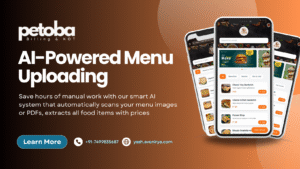
Transitioning to a digital QR menu with Petoba can significantly enhance the customer experience and streamline restaurant technology. One of the standout features of Petoba is its artificial intelligence (AI) capabilities, which aid in the creation of a comprehensive digital menu. When adding menu items, it’s essential to leverage these AI features effectively to ensure each item is presented optimally.
Firstly, AI can assist in generating appealing menu descriptions that not only highlight the key ingredients but also evoke a sensory experience for potential diners. By analyzing various culinary styles and preferences, Petoba can suggest descriptive phrases that resonate with your target audience, making the dishes more enticing. This elevates the customer experience and encourages diners to make informed choices.
Moreover, categorizing menu items efficiently is critical in digital transformation. Petoba’s AI tools can automatically suggest categories based on the type of cuisine or dish, allowing for streamlined navigation on the digital interface. Organizing items into logical categories enhances the ease of use for customers accessing the QR menu, ultimately improving contactless dining experiences.
Another key area where AI plays a role is in pricing strategies. By analyzing market trends and competitor pricing, Petoba can recommend optimal pricing for menu items. This not only facilitates business growth but also ensures that pricing aligns with customer expectations and perceived value. When establishing prices, it’s vital to include unique selling points or highlight specials that can provide justification for higher price points.
In conclusion, incorporating AI into the process of creating your digital menu with Petoba significantly enriches the overall dining experience, aligning seamlessly with the goals of effective restaurant technology. Properly utilizing these features ensures your QR menu is not only informative but also engaging, ultimately fostering greater customer satisfaction and loyalty.
Design and Customization of Your QR Menu
The design of a digital QR menu is instrumental in delivering an engaging and intuitive experience for customers. Through Petoba, restaurant owners have access to a variety of customization options that allow them to create a menu that not only reflects their culinary offerings but also aligns with their branding strategy. A well-designed QR menu not only facilitates contactless dining but also serves as an effective marketing tool that contributes to business growth.
First and foremost, layout design plays a vital role in user experience. Petoba allows users to choose from various templates that can be tailored to suit the dining establishment’s theme. Whether a restaurant aims for a modern, sleek appearance or a cozy, rustic vibe, the layout needs to facilitate easy navigation. Customers should be able to browse the menu effortlessly, from appetizers to desserts, without any confusion. This ease of use is essential in leveraging restaurant technology to its fullest potential.
Color palettes are another significant element of customization. Colors evoke emotions and set the overall tone of the dining experience. By selecting colors that are consistent with the restaurant’s brand, owners can enhance the aesthetics of the QR menu. This consistency not only reinforces brand identity but also creates a cohesive experience that resonates with customers. Petoba’s intuitive interface makes it simple to choose complementary colors that enhance visual appeal while maintaining readability.
Incorporating the restaurant’s logo is equally important. This element ensures that customers immediately recognize the brand, elevating the overall perception of professionalism and attention to detail. By personalizing the QR menu with logos, restaurants can enhance brand visibility while providing a unique dining experience. Ultimately, thoughtfully designed QR menus not only improve customer satisfaction but also serve as an essential aspect of digital transformation in the restaurant industry.
Download and Launching Your QR Menu
Transitioning from traditional paper menus to a digital QR menu is an integral part of the ongoing digital transformation within the restaurant industry. Petoba provides a streamlined approach for restaurant owners to download and launch their customized QR menu, ensuring a smooth transition that enhances contactless dining experiences.
To begin the process, access the Petoba dashboard after completing your digital menu design. Navigate to the ‘Downloads’ section and select the QR code generated for your specific menu. Here, you will find options to download both the QR code itself and the accompanying menu file. Choose your desired format; typically, PDF or image formats are most common. Once downloaded, ensure the QR code is accessible to all staff and can be easily placed at customer tables, on walls, or within menus for optimal visibility.
Upon acquiring your QR menu, launching it effectively is crucial for integrating restaurant technology into daily operations. Start by briefing your staff on the QR menu’s functionalities and benefits, emphasizing how it supports business growth through enhanced customer interactions. Conduct training sessions to familiarize them with the process of introducing customers to contactless dining, including instructing guests on how to scan the QR code using their smartphones.
Utilize various marketing channels to announce the launch of your QR menu. Update your restaurant’s website and social media platforms to inform customers about this exciting development. Additionally, consider offering promotions or discounts to encourage the use of the new digital menu. Ensure that feedback mechanisms are in place, allowing both staff and customers to share their experiences regarding the digital QR menu. This not only aids in addressing any concerns but also enhances customer satisfaction.
Marketing Your Digital QR Menu
Transitioning to a digital QR menu is a significant step in modernizing your restaurant technology, but effective marketing is crucial to ensure your customers embrace this change. Educating diners on how to use QR codes and highlighting the benefits of contactless dining plays a vital role in this process. A multifaceted marketing approach can greatly enhance the consumer experience and encourage the use of your digital menu.
First, social media platforms are invaluable tools for promoting your digital QR menu. Create engaging posts that showcase the new technology, emphasizing the convenience and safety that come with contactless dining. Use eye-catching graphics, videos, and testimonials from satisfied customers to build interest and excitement. Regularly posting updates about special promotions, new menu items, or features available through your digital QR menu can keep your audience engaged. Incorporating hashtags relevant to your restaurant and digital transformation can also help reach a broader audience, exposing your establishment to potential new customers.
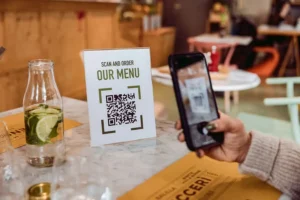
In-restaurant signage should be designed to attract attention and provide clear instructions on how to use the QR codes. Simple step-by-step visuals can guide diners through the process, ensuring that even the least tech-savvy customers feel comfortable accessing the digital menu. Enhancing the dining experience with well-placed QR code signs can lead to increased customer satisfaction, ultimately contributing to business growth.
Email campaigns are another effective strategy. Inform your existing customer base about the QR menu’s launch, detailing the advantages such as less contact with physical items and the flexibility of updating menu offerings in real-time. Encourage feedback on their experiences after using the digital menu, which can help fine-tune your approach and further promote a sense of community. By employing these marketing strategies, restaurants can ensure a smooth transition to a digital QR menu, fostering an environment where technology complements the dining experience.
Training Staff for a Smooth Transition
The successful implementation of a digital QR menu in restaurants can significantly enhance the dining experience and contribute to business growth. However, for this transformation to be effective, it is crucial to prioritize staff training during the transition from traditional paper menus to QR menus. The adoption of restaurant technology requires that all team members feel confident and competent in utilizing new systems to ensure a seamless contactless dining experience for guests.
To begin, establish an effective training program that covers all facets of the QR menu system. Staff should be educated on how to assist customers in accessing the digital menu, addressing common inquiries, and troubleshooting any technical issues that may arise. Creating interactive training sessions, with demonstrations and hands-on practice, can greatly enhance the learning experience. Consider role-playing scenarios where staff must guide patrons through the process of using a QR code, helping to alleviate any anxieties about technology.
It is also essential to address common concerns and questions that staff may have regarding the new technology. Many employees may initially feel apprehensive about using QR codes, believing it may complicate their responsibilities. Providing clarity on how digital transformation streamlines operations can alleviate these fears. Additionally, discuss the reasons behind this change, emphasizing enhanced hygiene through contactless dining and the efficiency of modern restaurant technology.
Moreover, establish a feedback loop where staff can express their concerns and suggest improvements. Open communication fosters empowerment and enthusiasm towards the new system. Lastly, provide ongoing support and additional training sessions as needed, especially as features are updated or new technologies are introduced. By investing in thorough staff training, you can ensure a smooth transition to a digital QR menu, ultimately leading to increased customer satisfaction and overall success for the restaurant.
Measuring Success and Gathering Feedback
Transitioning from traditional paper menus to a digital QR menu represents a significant step in the digital transformation of the dining experience. To ensure the success of this pivotal change, restaurant owners should implement robust strategies to measure its impact effectively. Gathering customer feedback is a critical element in this evaluation process. Engaging diners through surveys, both digital and in-person, can yield valuable insights into their experiences with the new contactless dining system.
Creating a simple survey that focuses on aspects such as ease of use, menu variety, and overall satisfaction can provide actionable data. Additionally, integrating feedback mechanisms directly into the QR menu itself can encourage diners to share their thoughts immediately after their meal. This real-time feedback is instrumental in identifying areas for improvement and understanding customer preferences.
Another vital component in measuring success involves analyzing sales data post-implementation of the digital QR menu. Restaurant technology now allows for the seamless tracking of menu item performance. Owners can assess whether specific items gain popularity or if particular offerings decrease in demand. This analysis not only informs menu adjustments but also contributes to business growth by ensuring that popular items are highlighted effectively to capture customer interest.
Continuous improvement is key to maintaining a competitive edge in the hospitality industry. By routinely assessing customer feedback alongside sales analytics, restaurant owners can refine their digital menu offerings and enhance the overall dining experience. Utilizing tools and platforms like Petoba can facilitate the incorporation of customer insights into menu design and service delivery. By fostering an environment of adaptability, restaurants can succeed in the evolving landscape of contactless dining and restaurant technology.