Introduction to Digital Menus
The dining experience has undergone significant changes over the years, especially with the advent of technology. Traditional paper menus, once a staple in cafes and restaurants, have gradually become less favorable due to the rise of digital menus. This transformation can be attributed to changing consumer preferences, where tech-savvy customers seek convenient and efficient dining solutions. Digital menus, particularly those utilizing QR codes, have emerged as a popular choice for food establishments.
The transition from paper menus to digital options marks a pivotal shift in the restaurant industry. Customers now demand faster access to information, enabling them to make informed decisions with ease. Digital solutions streamline the process by allowing diners to access the cafe menu or restaurant menu directly on their smartphones, enhancing their overall experience. Moreover, QR codes provide an interactive element that encourages engagement, making the ordering process more dynamic and, ultimately, more enjoyable.
As consumers become increasingly accustomed to technology, the need for cafes and restaurants to adapt becomes critical. The implementation of a digital menu not only meets consumer expectations but also offers practical advantages for the establishment itself. QR codes can be updated in real-time, allowing restaurants to modify their menus based on daily specials, ingredient availability, or price adjustments without the waste associated with printing new paper menus. This flexibility caters to the demands of modern dining while also promoting sustainability by reducing paper waste.
In summary, the evolution from traditional to digital menus reflects the changing landscape of consumer behavior and preferences. Restaurants that embrace this transformation can offer a more convenient, engaging, and sustainable dining experience, making it essential to adapt to the emerging trends in the industry.
The Problem with Paper Menus
The traditional use of paper menus in restaurants has become increasingly challenged by various limitations that affect both business operations and customer experiences. One significant issue is hygiene. In the context of foodservice, where cleanliness is paramount, paper menus can harbor bacteria and viruses, especially in high-traffic environments. Customers may feel uncomfortable handling menus that have been touched by numerous patrons, raising concerns about their overall safety and cleanliness. This has led to a growing demand for more hygienic alternatives, such as digital menus that minimize contact.
Another critical drawback of paper menus is the logistical need for frequent updates. Menu items can change due to various factors, including seasonal availability, pricing, and customer preferences. Updating paper menus can be tedious and costly, often resulting in outdated offerings being displayed to customers. This not only frustrates patrons but can also hinder the restaurant’s ability to effectively manage its brand image and promote new items. In contrast, a digital menu that is accessible through a simple QR code can be updated instantly, ensuring that customers always have access to the most current selections.
Moreover, accessibility is a growing concern. Paper menus can present challenges for individuals with visual impairments or other disabilities, making it difficult for them to read printed text. This can alienate a segment of the customer base, impacting their dining experience negatively. Digital menus, on the other hand, can be programmed with accessibility features, such as text resizing or voice-over technology, ensuring an inclusive experience for all. The shift towards a digital solution, such as Petoba’s QR menu, facilitates a more personalized and engaging cafe menu experience, ultimately enhancing customer satisfaction and fostering loyalty.
Advantages of Digital QR Code Menus
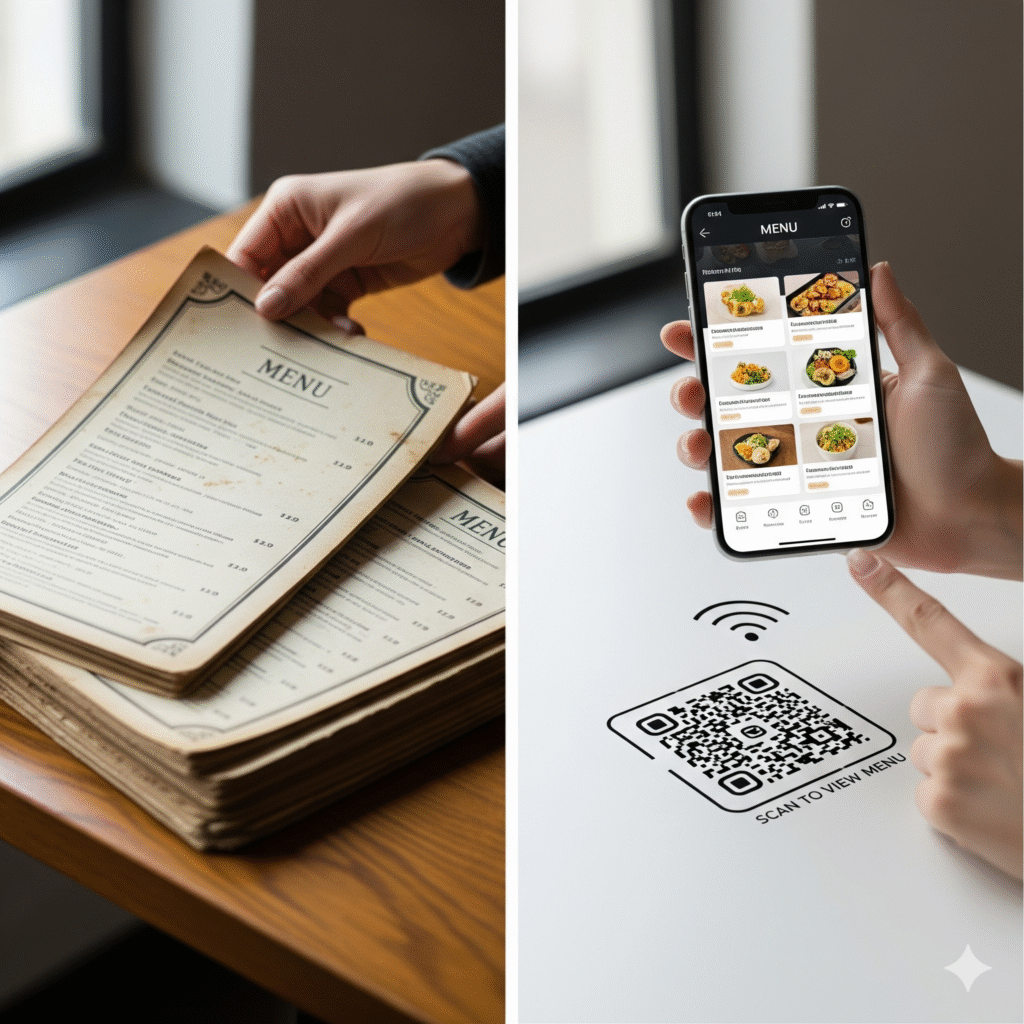
The transition from traditional paper menus to digital QR code menus marks a significant evolution in the dining experience. One of the primary advantages of implementing a digital menu is convenience. Guests can simply scan a QR code with their smartphones to access the full restaurant menu without the need for physical contact. This not only provides an easy way for customers to browse their options but also minimizes the risk of spreading germs, which is particularly important in today’s health-conscious environment.
Additionally, digital QR code menus, such as those offered by Petoba, are highly cost-effective. Restaurants and cafes can significantly reduce the expenditure associated with printing and reprinting paper menus. With a digital menu, any changes to the menu items or pricing can be updated in real-time with minimal effort. Consequently, this agility allows establishments to respond quickly to market changes or ingredient availability, ensuring that customers are always presented with the most accurate information.
Enhanced customer engagement is another notable benefit of digital QR code menus. They can provide interactive elements, such as links to food ingredients, nutritional information, and even pairing suggestions tailored to each dish. By enhancing the dining experience, restaurants are not only able to engage customers more effectively but also promote higher levels of satisfaction, leading to increased loyalty. Furthermore, customers can easily share their experiences on social media, effectively generating organic promotion for the restaurant.
Incorporating digital menus represents a forward-thinking approach in the hospitality industry, as they can be integrated with other technologies, such as online ordering and payment systems. Overall, the multifaceted benefits of digital QR code menus can significantly enhance the operational efficiency and customer satisfaction of dining establishments.
How QR Code Menus Work
QR Codes, or Quick Response Codes, are two-dimensional barcodes that can be scanned using smartphones. This technology plays a crucial role in the transition from traditional paper menus to digital alternatives, enhancing dining experiences while reducing physical contact—a benefit that has become increasingly important in recent years.
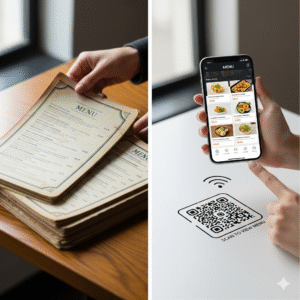
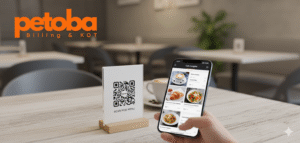
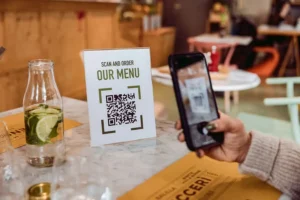
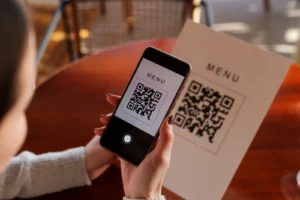
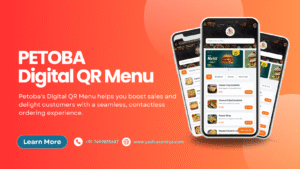
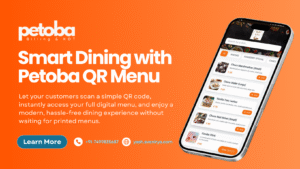
To access a digital menu via a QR code, diners need only to point their smartphone camera at the QR code displayed at their table or on a menu card. Upon scanning, the code directs the device to a specific URL, generally hosted by a digital menu provider, such as Petoba. This URL displays the restaurant menu in a user-friendly format on the screen of the smartphone. The process is quick and straightforward, allowing diners to view menu items, daily specials, and nutritional information without waiting for a server.
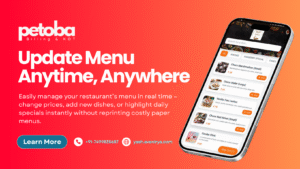
The seamless transition from a paper restaurant menu to a digital format is facilitated by the QR code’s versatility. Establishments can update their menu items in real time without the need for reprinting and redistributing paper menus. When a restaurant updates its offerings, customers can instantly access the latest version through the same QR code. Furthermore, digital menus can provide interactive features like images, customer reviews, and recommendations, thereby enriching the overall dining experience.
Many cafes and restaurants are now recognizing the benefits of adopting QR code menus as part of their operational strategy. The technology not only streamlines service but also aligns with contemporary dining expectations of convenience and tech-savviness. By utilizing QR codes for their digital menus, restaurants can significantly enhance customer satisfaction and operational efficiency while providing a modern and eco-friendly alternative to traditional paper menus.
Setting Up Your Digital QR Code Menu
The transformation from traditional paper menus to a digital format involves several essential steps that streamline the dining experience. First, selecting a reliable digital menu provider is crucial. Providers vary in features, pricing, and user-friendliness. It is advisable to consider platforms that offer customizable restaurant menus, allowing you to reflect your brand’s identity effectively. Look for services that integrate seamlessly with existing point-of-sale systems and customer management software, ensuring minimal disruption to your operations.
Once you have chosen your digital menu provider, the next step is to design your cafe menu. An engaging, easy-to-navigate interface enhances the dining experience. Consider organizing the menu items visually, either through categorized sections or highlight dishes that are popular or seasonal. Strategically including photographs may increase customer interest and decision-making speed. Ensure your digital menu is mobile-friendly, as this is critical for customer accessibility using their smartphones.
After you finalize the digital cafe menu, the next phase involves generating a QR code. Many digital menu providers offer a built-in generator that allows you to create a unique QR code linked directly to your menu. Ensure this code is tested for functionality and directs customers appropriately. Once verified, print the QR codes on easily visible materials, such as table tents, stickers, or posters strategically placed around the dining area. This visibility is essential to encourage customers’ use of the digital menu.
In conclusion, transitioning from a paper restaurant menu to a digital QR code format can significantly enhance customer experience while streamlining operations. By choosing the right provider, designing an appealing menu, and effectively implementing QR codes around the dining space, restaurants can facilitate a smooth transition towards modern dining solutions.
Designing a Professional Digital Menu
The transition from traditional paper menus to digital formats, such as a QR menu, reflects an evolution in the dining experience. A well-designed digital menu is critical for cafes and restaurants to enhance customer interaction while ensuring brand consistency. When creating a digital menu, design elements should align with overall branding, reflecting the restaurant’s identity through color schemes, typography, and imagery.
To optimize the user experience, the layout of the restaurant menu must be intuitive. Sections should be clearly defined, permitting easy navigation. Using categorized headings—such as appetizers, main courses, beverages, and desserts—enables patrons to locate their desired items effortlessly. Additionally, concise descriptions paired with appetizing visuals can stimulate interest, encouraging diners to explore various offerings.
Responsive design is essential as well; digital menus must adapt flawlessly across different devices, ensuring that guests can access the cafe menu on their smartphones or tablets without any hassle. Utilizing a clean and modern aesthetic can create a welcoming environment, enhancing customer satisfaction. Furthermore, incorporating interactive elements, such as clickable images or options to customize orders, can provide an engaging dining experience.
Best practices suggest that digital menus should also be regularly updated. Reflecting seasonal offerings or special promotions can keep the content fresh and engaging. For example, a digital menu could showcase limited-time dishes or highlight chef-recommended items, fostering a sense of urgency and excitement among diners. Amidst these design considerations, it is crucial for restaurants to prioritize accessibility, ensuring that all guests, including those with visual impairments, can navigate and enjoy the digital menu.
Overall, investing in a professionally designed digital menu can significantly enhance the dining experience, making it an essential component for any modern cafe or restaurant aiming to attract and retain customers.
Customer Experience and Engagement
The integration of digital QR code menus in the dining industry represents a significant evolution in customer experience and engagement. Traditional paper menus often limit diners’ interactions, whereas digital menus, accessible via QR codes, provide an interactive platform that caters to individual preferences. Customers can engage more fully with their dining experience, exploring menu items at their own pace, which fosters greater satisfaction.
One of the key advantages of a digital menu is the ability for customization. Diners can modify their orders based on personal taste, dietary restrictions, or culinary preferences. This level of personalization not only elevates the dining experience but also demonstrates to customers that the restaurant values their individual needs, strengthening customer loyalty. For instance, a cafe menu that allows users to easily add or remove ingredients based on allergies or preferences enhances the overall experience.
Moreover, digital QR code menus can provide real-time recommendations tailored to the customers’ choices. Utilizing algorithms and data analytics, restaurants can suggest dishes based on previous orders or the popularity of items among similar patrons. This level of engagement not only makes the ordering process seamless but also encourages customers to try new offerings, increasing their overall satisfaction and enhancing the dining experience.
Additionally, digital menus provide direct access to promotions and special offers, which can significantly increase customer engagement. Diners can easily access exclusive deals or loyalty rewards through the QR code, fostering a sense of connection with the restaurant. Such features enhance engagement by integrating promotional strategies directly into the dining experience, ensuring that customers feel valued and connected to the brand.
In essence, the shift from traditional paper menus to digital QR code menus marks a transformation in how customers interact with cafes and restaurants, emphasizing personalized experiences and increased engagement.
Case Studies: Success Stories of Digital Menus
The transition from traditional paper menus to digital QR codes represents a significant transformation in the dining experience, with numerous restaurants reaping the benefits of this technological advancement. One notable example is Cafe Gourmet, a bustling urban eatery that implemented a QR menu system during the pandemic. Following their transition, customer feedback improved significantly, with patrons appreciating the convenience and safety that came with scanning QR codes. Not only did this enhance the dining experience, but it also led to a 25% increase in customer visits during peak hours, showcasing how a digital menu can drive foot traffic.
Another remarkable case is Bistro Delights, which adopted a digital menu strategy to streamline its operational efficiency. By integrating a QR menu system, they minimized the time waitstaff spent distributing physical menus, allowing them to focus more on customer service. This operational shift translated into a 30% reduction in table turnover time, thus enhancing the overall restaurant efficiency. Moreover, customers reported a higher satisfaction rate, often highlighted their ability to quickly access updated menu items and special promotions, which were displayed prominently within the digital platform.
Lastly, the Royal Steakhouse embraced the digital dining trends and saw a substantial impact on their revenue. By offering an interactive QR code menu, they capitalized on upselling opportunities as customers could view detailed descriptions and images of dishes. This strategy not only drove customers to try new items but also resulted in a 15% increase in average order size. These case studies exemplify the successful integration of QR code technology in restaurant menus, highlighting the operational, financial, and customer satisfaction improvements that can be achieved through such digital solutions. In conclusion, the shift to digital menus not only modernizes the dining experience but also fosters greater engagement between restaurants and their patrons.
Future of Digital Menus in the Hospitality Industry
The hospitality industry is experiencing a transformative shift, particularly in the realm of dining experiences, where digital menus and QR codes are becoming increasingly prominent. The future of digital menus, exemplified by solutions like Petoba, promises to enhance the way cafes and restaurants operate, leading to improved efficiency and customer satisfaction. With the advent of advanced technologies, including augmented reality and artificial intelligence, digital menus are expected to evolve further. These innovations could offer personalized dining experiences, allowing customers to view customized suggestions based on their preferences and previous orders.
Contactless dining has gained significant traction due to the ongoing health concerns surrounding traditional paper menus. This trend will likely continue, with establishments adopting QR codes to provide safe, hygienic access to comprehensive restaurant menus. As consumer behavior shifts towards a preference for minimized contact, businesses must adapt to these expectations by incorporating digital options that prioritize safety without compromising on quality. Encouragingly, customers have reported a higher level of satisfaction when engaging with digital solutions, enhancing their overall dining experience.
Moreover, the integration of digital menus into the hospitality sector opens up opportunities for restaurants to innovate their offerings continuously. This could involve integrating interactive features where customers can provide feedback in real time, or platforms that adapt the restaurant menu dynamically based on supply chain availability or seasonal trends. As competition within the industry intensifies, restaurants must leverage digital tools to stand out from their peers. By focusing on how services can improve through sophisticated digital menu solutions, establishments can not only attract a wider customer base but also foster loyalty through exceptional service.
In conclusion, the future of digital menus in the hospitality industry is bright, driven by technology advancements and changing consumer preferences. Embracing solutions like Petoba and QR code menus will not only enhance operational efficiency but also redefine the dining experience for customers in cafes and restaurants alike.