Introduction to Digital Menus
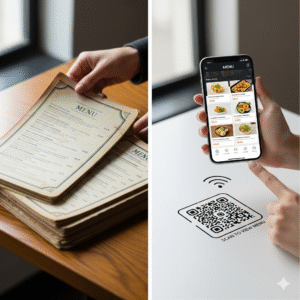
The evolution of dining experiences has led to a significant transformation in how menus are presented to customers. Traditionally, paper menus served as the primary means of showcasing culinary offerings. However, the advent of digital menus, particularly through QR code integration, has revolutionized this practice. This shift not only enhances the presentation of menu items but also aligns with the growing need for efficiency and convenience in the hospitality industry.
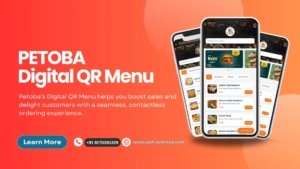
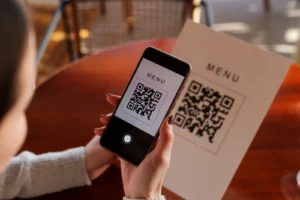
Digital menus, accessible via QR codes, enable restaurants and cafes to provide a dynamic and interactive experience for customers. Upon scanning a QR code, patrons can view an updated menu on their devices, complete with high-quality images and detailed descriptions. This innovation fosters an engaging customer experience, as it allows for personalization and adaptability that paper menus cannot provide. Moreover, the ability to continually update digital content means that restaurants can swiftly respond to changes, such as introducing new dishes or adjusting prices, without the hassle of reprinting materials.
Furthermore, adopting digital menus comes with substantial operational benefits. In the context of a fast-paced environment like a cafe or restaurant, efficiency can have a direct impact on customer satisfaction and loyalty. With tools like petoba offering QR menu solutions, establishments can streamline ordering processes, thereby reducing wait times and enhancing service delivery. This level of operational efficiency enables staff to focus more on customer interaction rather than manual menu management.
Given the rising trend among restaurants and cafes to embrace digital transformation, it is evident that QR code-based menus are not just a passing fad but a sustainable practice. By integrating technology, businesses can foster greater trust with customers, meeting their demands for convenience and modernity. As we explore further, it becomes clear that the transition from traditional menus to digital solutions represents a significant advancement in how the food service industry operates.
The Process of Going Digital
Transitioning from a traditional paper menu to a digital format is a straightforward process, combining technological efficiency with customer convenience. This transformation is particularly beneficial for cafes and restaurants, allowing them to modernize their offerings and address evolving consumer expectations. The first step in this process involves selecting a reliable digital menu service such as Petoba, which specializes in creating and managing QR menu systems.
Once a service has been chosen, the next step is to design the digital menu. This can be done using user-friendly templates that ensure consistency with the restaurant’s branding. It is essential to highlight popular items and offer clear descriptions, as this enhances the dining experience for customers. After populating the menu with relevant content, it is crucial to preview the layout to ensure that it is visually appealing and easy to navigate.
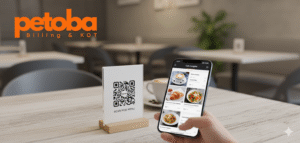
Following the menu design, the next step is generating a QR code that links directly to the digital menu. Most digital menu services, including Petoba, provide an automatic QR code generation feature, simplifying this step significantly. Once generated, the QR code can be printed and displayed prominently within the cafe or restaurant, allowing customers to scan it easily with their smartphones. This seamless access to the digital menu fosters trust in the startup and encourages patrons to engage with the menu directly from their devices.
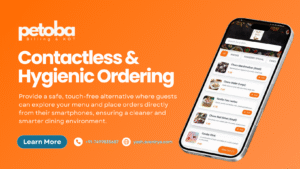
The transition to a digital menu not only modernizes the dining experience but also aligns with health and safety concerns, particularly in post-pandemic settings. By minimizing contact with surfaces, restaurants can enhance customer confidence. Ultimately, the process of going digital is designed to be quick and efficient, making it easy for businesses to adapt without facing significant disruption.
How to Create Your Digital Menu
Creating a digital menu is an essential step for modern cafes and restaurants aiming to attract customers and streamline operations. The process begins with selecting the right software to facilitate the creation of your menu. There are several options available, ranging from dedicated menu creation tools to restaurant management software that includes digital menu features. When choosing a platform, consider factors such as ease of use, compatibility with QR menu options, and the ability to update content easily, as these will greatly support your startup’s efficiency.
Once the software is selected, the next step involves designing the layout of your digital menu. A visually appealing design is crucial as it directly influences customer trust and engagement. It is advisable to familiarize yourself with design principles, such as balance, contrast, and alignment, which can significantly enhance the readability and attractiveness of the menu. Incorporating high-quality images of your dishes can entice customers, making them more likely to explore your offerings and enhancing the overall dining experience.
In addition to aesthetics, the content of your digital menu must also be thoughtfully curated. Essential elements include detailed descriptions of each dish, clearly listed prices, and allergen information to cater to diverse dietary needs. Utilizing features such as category segmentation (e.g., appetizers, main courses, desserts) will help customers navigate your menu effortlessly. Utilizing a QR menu allows for real-time updates, so as your cafe grows or items change, your digital menu can be easily adjusted to reflect these changes. This adaptability will help maintain customer interest and trust in your brand.
Finally, consider hiring a professional designer if you aim for a high-end look that aligns with your branding. A well-designed digital menu not only improves aesthetics but also enhances the customer experience, potentially leading to increased sales and loyalty. By following these guidelines to create a compelling digital menu, your cafe can effectively engage customers and establish a trustworthy brand presence in the competitive restaurant industry.
AI-Powered Features of Digital Menus
The transition from traditional paper to digital QR menus is revolutionizing the way cafes and restaurants operate. One significant aspect of this transformation is the incorporation of AI-powered features that enhance menu management. These innovations not only streamline operations but also cater to the evolving needs of customers and business owners alike.
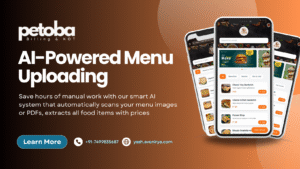
One of the most remarkable features of AI-driven digital menus is its ability to automatically extract item data from images. This sophisticated technology enables cafes and restaurants to quickly digitize their offerings without manually inputting each item into the system. By simply capturing a picture of the physical menu, businesses can efficiently upload and convert it into a digital format, significantly speeding up the onboarding process for startups and established eateries alike.
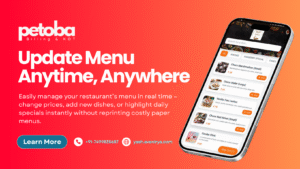
Additionally, AI facilitates the easy editing of multiple items simultaneously, allowing restaurant managers to update their offerings with minimal effort. Whether it’s adjusting prices, adding new dishes, or removing items, this technology empowers businesses to keep their menus current without the traditional hassle. For customers, this means that they can always access the most up-to-date menus, enhancing their dining experience and fostering greater trust in the establishment.
Moreover, AI-driven digital menu platforms can analyze customer preferences and trends, providing valuable insights that help cafes and restaurants make informed decisions about their offerings. By understanding what items resonate with customers, businesses can tailor their menus to meet demand more effectively, ultimately improving customer satisfaction and loyalty.
These AI-powered features are not just enhancing the efficiency of menu management; they are reshaping the entire dining experience. As cafes and restaurants continue to adopt this technology, it’s clear that the integration of AI into digital QR menus is a game-changer for the hospitality industry.
Ordering Made Easy with WhatsApp Integration
The integration of WhatsApp into the ordering process for cafes and restaurants represents a significant advancement in customer service. Petoba, a renowned platform for digital menus, offers a seamless solution that allows customers to place their orders directly via WhatsApp. This integration not only eliminates the need for traditional paper menus but also streamlines the entire ordering procedure, making it efficient and user-friendly.
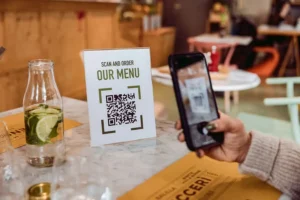
Customers today value convenience and speed in their dining experiences. By utilizing digital QR menus equipped with WhatsApp ordering capabilities, restaurants can facilitate instant communication between the establishment and their clientele. When customers scan the QR code and peruse the menu, they can select their desired items and send their orders directly through the messaging platform. This results in immediate order confirmation, thereby enhancing customer satisfaction and trust in the startup’s services.
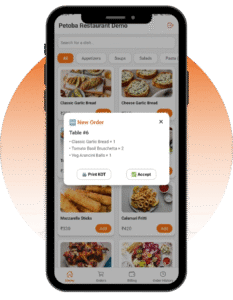
Moreover, the integration supports real-time order tracking, allowing customers to stay informed about their order status. This transparency not only builds customer trust but also reinforces brand loyalty. With WhatsApp, customers can easily communicate any changes or special requests regarding their orders, fostering a more personalized dining experience. As a result, cafes and restaurants benefit from improved operational efficiency, as orders are received directly and are less prone to human error compared to traditional methods.
The shift from paper menus to digital formats, such as those provided by Petoba, reflects the changing dynamics in customer preferences. As diners increasingly lean towards technologically driven solutions, the incorporation of WhatsApp into the ordering process serves not only to meet but also exceed expectations. In sum, this innovative approach to ordering not only simplifies the experience for customers but also positions cafes and restaurants at the forefront of modern dining trends.
Data Collection and Customer Insights
The integration of digital QR menus in cafes and restaurants has transformed the way businesses interact with their customers, particularly in terms of data collection and insights. By utilizing platforms like Petoba, businesses can seamlessly collect vital data on customer preferences, behavior patterns, and purchasing habits as customers scan QR codes to access menus. This technological advancement not only modernizes the dining experience but also generates a wealth of information that can be harnessed for strategic decision-making.
With the ability to track customer numbers effectively, restaurants can gain insights into peak hours, popular dishes, and customer demographics. Such data collection is crucial for understanding customer behavior. For instance, if a particular item consistently attracts orders, restaurant owners can consider keeping it or introducing variations to cater to evolving tastes. Additionally, by analyzing the data collected through Petoba, businesses can tailor their marketing efforts, thus fostering a deeper connection with their customers.
Moreover, personalized marketing strategies emerge from these insights, allowing cafes to send tailored promotions and offers directly to customers who have frequented specific sections of the menu. Utilizing this information enables a focus on customer satisfaction, creating an experience that resonates rather than relying on generic offers. The ability to adjust menu items based on customer feedback and sales data is invaluable, especially for startups looking to establish trust and loyalty among their initial customer base.
In conclusion, embracing digital QR codes for menus not only streamlines operations but also unlocks rich customer insights. By effectively leveraging this data, cafes and restaurants can enhance their offerings, tailor marketing strategies, and ultimately build stronger relationships with their customers, leading to sustainable growth in a competitive market.
Cost and Time Effectiveness of Digital Menus
The transition from traditional paper menus to digital solutions, such as QR menus, presents numerous cost and time savings for cafes and restaurants. One of the most significant financial advantages of digital menus is the elimination of printing costs. Traditional menus require regular reprinting due to price changes, menu updates, or seasonal offerings. This ongoing expenditure can add up quickly, particularly for startups or smaller establishments that operate on tight budgets.
Moreover, the labor involved in updating paper menus can be both time-consuming and costly. Staff must physically replace or reprint menus each time a change occurs, diverting their attention from customer service and operational efficiency. By adopting digital menus, customers can instantly view the current offerings via a QR code, drastically cutting down on the time and effort required to manage menu changes.
In addition to direct savings from printing and labor, digital menus can enhance overall workflow. When utilizing a service like petoba, restaurants can seamlessly integrate updates to their menus in real-time. This allows for immediate adjustments based on inventory, making it easier to manage food costs and reduce waste. Ultimately, such efficiency benefits customers as well, as they can be assured they are viewing the most accurate and current menu options.
Further, the initial investment in QR menu systems can yield significant long-term savings. While the costs associated with implementing a digital solution may seem daunting initially, the cumulative savings on printing, labor, and enhanced customer experience can rapidly offset these expenses. These factors combined illustrate the profound impact digital menus can have on the economic health and efficiency of cafes and restaurants.
Case Studies: Successful Implementations
The transition from traditional paper menus to digital QR codes has gained traction among various businesses, particularly in the cafe and restaurant sectors. One notable example is a bustling cafe in downtown Chicago, which chose to adopt a QR menu system to enhance customer experience while simultaneously streamlining operations. Faced with the challenge of maintaining hygiene standards during the pandemic, the owners turned to the petoba platform to provide customers with easy access to their menu items through QR codes placed on tables. The implementation process was seamless, and patrons appreciated the ability to view the menu on their smartphones without the need for physical contact.
Another significant case comes from a family-owned restaurant in Miami. Initially hesitant due to concerns about technology, they decided to experiment with a digital QR menu solution to cater to a younger demographic. Following the implementation of the petoba system, customers reported increased satisfaction as they could easily navigate through the menu and place orders directly from their devices. The restaurant faced initial challenges regarding staff training. However, with focused support from the petoba team, they quickly adapted, which led to a noticeable drop in order mistakes, enhancing customer trust in the restaurant’s service.
A trendy bistro in San Francisco also provides an excellent illustration of benefits realized through QR code implementation. By utilizing digital menus, the restaurant was able to update their offerings in real-time, a luxury that traditional paper menus did not allow. This flexibility enabled them to respond to customer preferences immediately and manage inventory more effectively. As a result, they saw an increase in customer retention and gained valuable insights into dining trends through analytics offered by the QR menu system. For these businesses, shifting to digital not only met current consumer expectations but also positioned them for long-term success in an ever-evolving market.
Getting Started: Your Next Steps
Transitioning from traditional paper menus to digital QR codes is an innovative step that can significantly benefit your business. For cafes and restaurants keen on modernizing their service offerings through the adoption of a digital menu system, the first step is reaching out for a free consultation call to discuss the potential of petoba solutions tailored to your needs. This initial conversation will provide insight into how a QR menu can streamline operations and enhance customers’ dining experiences.
Before scheduling your consultation, it is important to prepare relevant information that will facilitate a productive discussion. Consider compiling details regarding the size of your menu, the variety of dishes and beverages you offer, as well as any special branding elements you wish to incorporate into your digital menus. Additionally, think about how you currently manage your menu updates and whether you have any specific functionalities in mind, such as allergen information, seasonal items, or customer feedback options. By having this information at hand, you can maximize the efficiency of your consultation and ensure a comprehensive understanding of your needs.
After your consultation call, you can expect a clear outline of the implementation process. This will typically include the selection of a custom design for your QR menu, integration with your existing digital platforms, and training for your team to utilize the new system effectively. Embracing such a transformative approach will not only enhance operations but also help build trust with your customers. By prioritizing their convenience and safety through a user-friendly digital menu, you can position your startup ahead of competitors, ultimately ensuring a prosperous future for your cafe or restaurant.