Introduction to Petoba
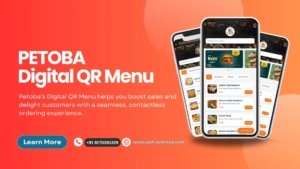
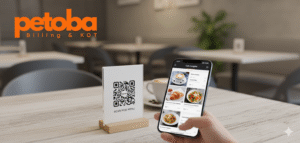
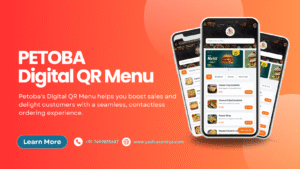
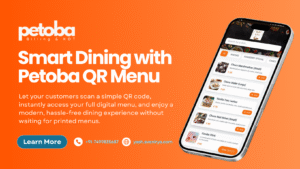
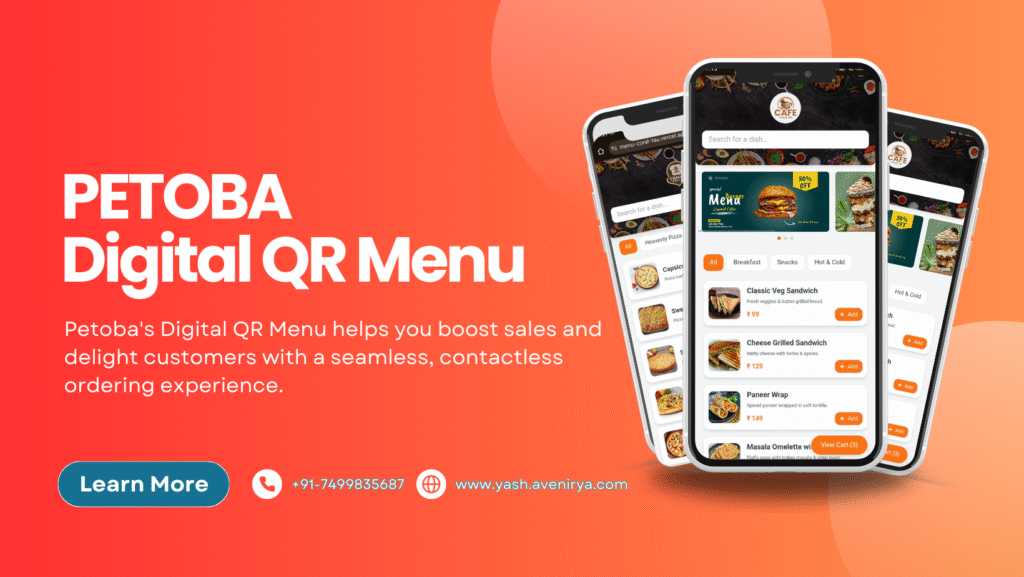
Petoba represents an innovative approach to restaurant technology that seeks to enhance operational efficiency and customer engagement through the use of digital menus. As the food service industry evolves, establishments are increasingly recognizing the necessity of integrating sophisticated solutions to optimize their operations and improve the dining experience. Petoba is at the forefront of this transformation, offering a user-friendly platform that automates several essential functions, making it an invaluable asset for modern restaurants.
At its core, Petoba’s digital menu benefits extend beyond merely showcasing food items; it enables restaurants to streamline ordering processes, reduce wait times, and provide valuable insights into customer preferences. By adopting such technology, restaurants can effectively monitor and analyze sales data, thereby identifying patterns that can lead to increased sales and better resource allocation. This data-driven approach not only fosters a deeper understanding of customer behavior but also facilitates targeted marketing strategies that can drive profitability.
The rising trend of leveraging restaurant technology suggests a shift in how diners interact with their favorite eateries. Customers are gravitating towards seamless, efficient service, and digital menus serve as an ideal solution by enhancing convenience and satisfaction. Petoba provides a comprehensive platform that allows restaurants to implement these cutting-edge solutions while achieving notable cost savings in staff training and inventory management. As more restaurants embrace technology, it becomes imperative for owners and managers to prioritize tools like Petoba to remain competitive and capitalize on the financial advantages that technology integration offers.
Cost Savings: Eliminating Printing and Reprinting of Menus
The restaurant industry has long grappled with the challenges and costs associated with physical menu printing. Traditional printing methods not only demand significant financial resources but also require time and labor expended on updates and reprints. According to industry data, an average restaurant spends approximately $200 to $500 per print run, not including design or production time. This recurring expense can quickly accumulate, burdening the operational budget.
Menu changes are necessitated by various factors ranging from seasonal ingredient availability to promotional activities and price adjustments. Each time a change is required, restaurants face the dilemma of whether to commit to printing new menus or attempt to manage with outdated information that may mislead patrons. The labor hours allocated to updating and printing physical menus divert staff resources that could otherwise be utilized in enhancing customer service or streamlining restaurant operations.
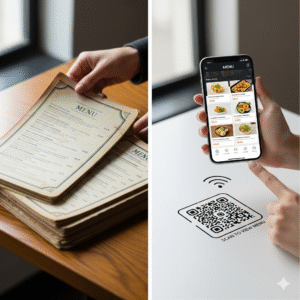
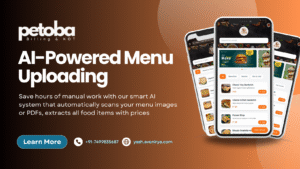
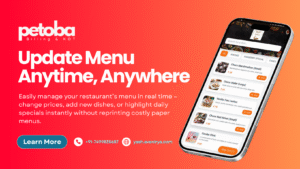
Petoba’s digital menu technology presents a compelling solution to these challenges. By adopting this innovative platform, restaurants can effectively eliminate the need for physical menu printing altogether. Digital menus offer real-time updates, allowing restaurants to modify offerings, pricing, and promotional items instantly. This capability leads to substantial cost savings and allows restaurant owners to avoid the financial fluctuations associated with printing expenses.
Moreover, efficiency gains are twofold; not only is there a significant reduction in printing costs, but labor hours dedicated to managing menus can be redirected towards improving guest experience and operational efficiency. Consequently, by utilizing Petoba’s digital menu benefits, restaurants position themselves for increased sales, foster enhanced customer satisfaction, and realize notable roi—yielding a more robust bottom line.
Increased Revenue: Beautiful Images and Real-Time Specials
In the competitive restaurant industry, leveraging restaurant technology to enhance customer engagement is crucial for driving increased revenue. One of the most effective strategies is the use of high-quality images within digital menus. Studies have demonstrated that visually appealing images significantly impact consumer behavior, encouraging diners to order more items and, consequently, raising the average order value. When customers encounter enticing visuals, they are more likely to perceive the dishes as desirable, often leading to impulsive additions to their orders.
Moreover, the ability to update specials in real-time plays a pivotal role in optimizing sales. When restaurants utilize a digital menu that allows for immediate changes, they can promote limited-time offers or seasonal dishes, adapting rapidly to trends or inventory levels. This creates a sense of urgency and value, driving consumers to make quicker purchasing decisions. The integration of restaurant technology enables establishments to not only highlight these specials with appealing visuals but also tailor them based on customer preferences and historical data, enhancing operational efficiency.
The psychological influence of imagery and scarcity cannot be understated; data indicates that menus featuring photographs can increase item sales by up to 30%. This spike in sales is often punctuated by increased profitability margins, as higher-value items accompanied by compelling images encourage upsells. The strategic combination of high-quality visuals and dynamic content management fosters an engaging dining experience, which ultimately translates into cost savings and improved ROI for the restaurant.
Incorporating these elements into restaurant operations is not merely an aesthetic choice but a calculated approach to maximize financial benefits. By harnessing the power of beautiful images and the flexibility of real-time updates, restaurants can significantly boost their revenue, positioning themselves for sustained success in a rapidly evolving market.
Operational Efficiency: Faster Order-Taking and Enhanced Customer Service
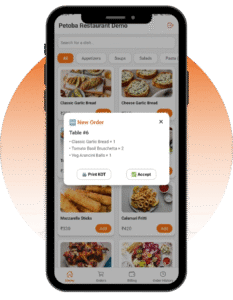
In the competitive landscape of the restaurant industry, operational efficiency is crucial for maximizing profitability and enhancing customer satisfaction. Petoba, with its innovative restaurant technology, streamlines the order-taking process, resulting in significant cost savings and increased sales. By enabling staff to process orders more swiftly, Petoba effectively reduces the time spent on routine tasks, allowing employees to focus on customer engagement and service quality.
The integration of a digital menu revolutionizes how orders are placed and managed, facilitating a more organized workflow. With intuitive interfaces, staff can quickly access menu items, accommodate special requests, and make real-time modifications to orders. This speed not only minimizes order inaccuracies but also enhances the overall dining experience, leading to higher customer satisfaction rates. As customers receive their meals faster, they are more likely to return, driving repeat business and increasing sales.
The impact of Petoba’s technology on staff workload cannot be overstated. By simplifying order management, team members can dedicate more attention to customer interactions. This shift in focus fosters a welcoming atmosphere and bolsters customer service. A satisfied customer is more inclined to share their positive experiences, further augmenting the restaurant’s reputation and drawing in new patrons.
Moreover, when staff are less burdened by manual order-taking processes, they can invest time in upselling and cross-selling items, which can significantly contribute to revenue growth. Overall, the adoption of Petoba’s operational strategies leads to not only cost savings through improved efficiency but also enhanced customer service, ultimately driving the restaurant’s success in a competitive market.
The Dashboard Advantage: Data-Driven Decision Making
In the competitive landscape of the restaurant industry, leveraging data is essential for sustainable growth and profitability. The analytics dashboard provided by Petoba equips restaurant owners with critical insights that facilitate informed decision-making. By utilizing advanced restaurant technology, operators can gain a comprehensive view of their business metrics, leading to enhanced operational efficiency.
One of the primary advantages of Petoba’s dashboard is its ability to analyze menu performance. Restaurant owners can access real-time data on which dishes are thriving and which are underperforming. For example, if the analytics reveal that a particular entrée is consistently generating low sales, management can reconsider its place on the menu, adjust its pricing, or even enhance its marketing strategy. Such data-driven insights foster cost savings by eliminating waste and optimizing space, ultimately boosting the overall return on investment (ROI).
Furthermore, the platform enables restaurants to fine-tune their pricing strategies through data analysis. By evaluating customer preferences and purchasing patterns, restaurant owners can identify optimal price points that may lead to increased sales. For instance, during slow hours, implementing dynamic pricing based on customer flow can attract more patrons while maintaining profitability. This targeted approach not only increases revenues but also strengthens the restaurant’s competitive position.
In addition to menu analysis and pricing strategies, the analytics dashboard aids in planning effective promotional campaigns. By analyzing past promotions’ performance, management can tailor future campaigns to align with customer interests and purchasing trends. This results in more successful marketing efforts that resonate with the target audience. Overall, the strategic use of a robust analytics dashboard can transform how restaurants operate, making them more agile in response to market dynamics and enhancing their bottom line.
Case Studies: Real-Life Success Stories
The application of restaurant technology has brought forth significant enhancements in operations and revenue generation for many establishments. One notable example is a mid-sized Italian restaurant in New York that adopted Petoba to improve their digital menu system. Previously relying on traditional paper menus, the restaurant faced challenges in updating its offerings swiftly and effectively. After implementing Petoba’s digital menu benefits, they reported a remarkable increase in operational efficiency. The ability to modify items in real-time allowed them to manage their inventory better and reduce food waste, leading to cost savings of approximately 20% in monthly expenses.
Another case is a fast-casual chain in California that integrated Petoba into their workflow to streamline order processing. Before integrating this technology, their wait times during peak hours were significantly affecting customer satisfaction. However, post-implementation revealed a notable improvement in both speed and accuracy of orders, culminating in increased sales as returning customers and new clientele were attracted by the enhanced experience. The management tracked weekly sales and observed a 30% spike in revenue within three months of the rollout, demonstrating the profound impact that technological solutions can have on financial performance.
A third case involves a family-owned diner in Texas that focused on leveraging Petoba’s analytics tools to make informed decisions about menu design. By analyzing customer purchasing patterns, they were able to identify high-performing dishes and strategically maximize promotions on slower-selling items. This data-driven strategy not only contributed to a more engaging customer experience but also yields tangible results. Over six months, the diner experienced a 15% increase in ROI, underpinning the critical role of restaurant technology in driving profitability.
These case studies exemplify how the implementation of Petoba can substantiate the financial gains that stem from enhanced operational efficiency, cost savings, and increased sales within the restaurant industry.
ROI Breakdown: Measuring Success with Petoba
Calculating the return on investment (ROI) from utilizing Petoba is essential for restaurant owners who seek to validate the financial benefits derived from their technology investments. By applying a systematic approach, operators can effectively assess their ROI, which not only reflects cost savings but also highlights increased sales and enhanced operational efficiency.
The first step in determining the ROI involves identifying the total costs associated with implementing Petoba. These costs may include initial setup fees, ongoing subscription charges, training expenses for staff, and any additional hardware or software prerequisites. Once these figures are aggregated, it is crucial to compare them against the financial gains that Petoba generates.
To measure these gains, owners should focus on quantifiable metrics. A digital menu, for example, can facilitate improved customer engagement and prompt decision-making, often leading to higher average order values. The formula to calculate ROI can be expressed as follows: ROI = (Net Profit from Petoba – Total Investment) / Total Investment x 100. Here, net profit consists of the additional revenue generated directly attributable to the use of restaurant technology, which includes any sales increases from enhanced menu offerings and streamlined operations.
Moreover, restaurant owners should factor in non-monetary benefits that contribute towards operational efficiency. For instance, Petoba can lead to better inventory management and reduced waste, which are critical for maintaining profitability. Establishing metrics around time savings and error reductions further enhances the understanding of how digital restaurant solutions impact the business.
By consistently applying this framework, restaurant owners can glean valuable insights into their ROI from Petoba, thus enabling them to make data-driven decisions that align with their financial goals. Tracking these metrics over time helps in refining the operational strategies and maximizing the returns from their technology investments.
Challenges and Considerations for Implementation
Implementing advanced restaurant technology, such as Petoba, can significantly enhance operational efficiency, increase sales, and provide notable cost savings. However, the transition is not devoid of challenges. One of the primary concerns is the training of staff to effectively utilize the new system. Skilled personnel are essential for ensuring smooth operations, and inadequate training can lead to misunderstandings and operational disruptions. Hence, a comprehensive training program is vital to equip employees with the necessary skills and knowledge required for optimal use of the technology.
Another consideration is the integration of Petoba with existing systems within the restaurant. Compatibility issues can arise, potentially hindering productivity and disrupting everyday operations. Before implementation, it is critical for restaurant owners to evaluate their current technological infrastructure to identify any potential barriers that may complicate the integration process. Selecting a tiered approach that allows gradual integration may mitigate some risks while ensuring operational stability.
Moreover, customer adaptation to new restaurant technology can pose challenges. While digital menu benefits offer enhanced customer experiences, some patrons may be hesitant to adopt new ordering systems, particularly if they are accustomed to traditional methods. To facilitate this transition, clear communication and demonstrations of the new systems can play an instrumental role in fostering customer acceptance. Engaging customers through feedback mechanisms can also provide insights into their experiences, enabling restaurants to make necessary adjustments that improve usability.
In conclusion, while the financial benefits of adopting Petoba are substantial, careful planning and consideration of these challenges are essential for successful implementation. Addressing staff training, technology integration, and customer adaptability will significantly enhance the likelihood of achieving a favorable return on investment (ROI) and unlocking the full potential of restaurant technology.
Future of Restaurant Technology and Petoba’s Role
The restaurant industry is currently undergoing a significant transformation driven by advancements in technology. As operators strive for operational efficiency, the demand for sophisticated restaurant technology has surged. These innovations not only enhance customer experiences but also deliver tangible cost savings and increased sales, fundamentally altering how establishments operate and engage with their clientele. In this evolving landscape, Petoba has positioned itself as a frontrunner by continually integrating cutting-edge technology into its offerings.
One of the most prominent trends in restaurant technology is the adoption of digital menus. These digital solutions provide an interactive experience for customers, allowing them to customize their orders and explore detailed descriptions of menu items. By streamlining the ordering process, restaurants can improve efficiency and maximize table turnover, ultimately driving up sales. Petoba’s initiative to incorporate digital menu benefits enables businesses to capitalize on this trend while providing insights that can guide menu optimization based on customer preferences and purchasing patterns.
Moreover, the evolution of customer relationship management (CRM) systems plays a crucial role in refining the guest experience. These systems enable restaurants to collect, analyze, and utilize data effectively, leading to personalized marketing strategies and targeted promotions. Petoba’s commitment to enhancing restaurant technology positions it as a key player in leveraging data analytics to foster deeper customer relationships while ensuring operational efficiency.
The future of restaurant technology promises further innovations, including AI-driven solutions for inventory management and predictive analytics for sales forecasting. These tools not only improve decision-making processes but also enhance the overall financial performance of restaurants. As technology continues to advance, it is imperative for restaurant operators to remain agile and adaptive to changes, ensuring they do not fall behind in a highly competitive environment. In this context, Petoba’s proactive approach in implementing next-generation technology will undoubtedly play a significant role in shaping the future success of the restaurant industry.
Conclusion: Embracing the Digital Future with Petoba
As we have explored throughout this blog post, the integration of restaurant technology, such as Petoba, presents significant opportunities for financial advancement within the restaurant industry. By leveraging advanced digital menus and other tech-centric solutions, restaurant owners can achieve a multifaceted return on investment (ROI) that manifests through cost savings, increased sales, and enhanced operational efficiency. The financial benefits are not merely theoretical; they are demonstrable through real-world applications of the technology.
Implementing Petoba allows for streamlined operations that reduce overhead costs and waste. By optimizing inventory management and improving order accuracy through digital menus, restaurants can significantly decrease expenditures. This operational efficiency not only saves money but also contributes to a more satisfying dining experience, fostering customer loyalty and repeat business—two critical elements that drive increased sales.
Moreover, the embrace of this technology positions restaurants favorably for the future, equipping them to meet changing consumer preferences and market demands. As patrons become more accustomed to digital interactions, restaurant technology like Petoba can enhance the overall customer experience, leading to higher satisfaction levels and an expanded customer base. Effectively utilizing such platforms is essential for any restaurant aiming to thrive in today’s rapidly evolving landscape.
For restaurateurs contemplating the move towards modernization, the benefits of adopting Petoba can no longer be overlooked. Transitioning to digital solutions not only prepares establishments for the current market but fundamentally redefines their growth trajectories. By investing in these technologies, restaurant owners are not only enhancing operational capabilities but also enhancing profitability in a profound and sustainable way. The digital future awaits, and the time to act is now if one wishes to gain a competitive advantage in the dynamic food service sector.