
Understanding the Restaurant Demand for Digital Menus
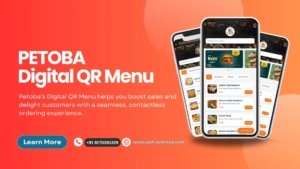
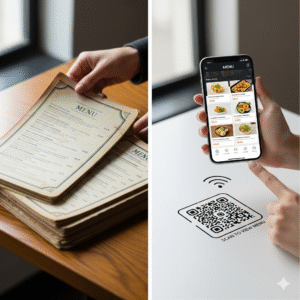
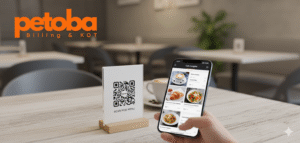
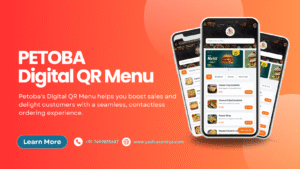
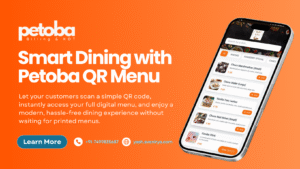
The demand for digital menus among restaurants has experienced a notable surge, particularly in light of recent technological advancements and evolving consumer behaviors. As dining establishments adapt to the ongoing shifts in customer expectations, the integration of technology has become imperative. One substantial change has been the movement toward contactless dining experiences, a necessity during times of health crises and changing dining norms. Digital QR menus offer an efficient solution, allowing customers to access menu items conveniently on their smartphones without physical contact.
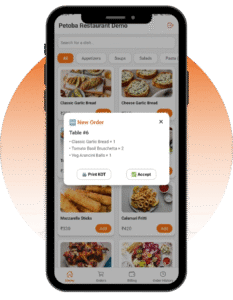
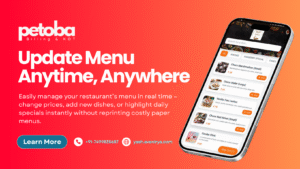
Restaurants today are increasingly seeking solutions that not only comply with health regulations but also provide operational efficiencies. Digital menus enable significant cost savings by reducing the need for printed materials, which can quickly become outdated or damaged. The ease of updating digital content allows restaurants to adjust their offerings, prices, and promotions in real time, thus optimizing their menu strategy to meet current customer demands. This flexibility is particularly advantageous in a fast-paced industry where customer preferences can change rapidly.
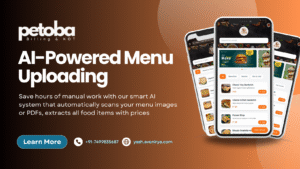
Furthermore, digital menus enhance the overall customer experience, contributing to a more streamlined and engaging interaction between guests and the restaurant. With features such as images, detailed descriptions, and even suggestions based on popular items, digital menus elevate the dining experience, making it more appealing to a technologically savvy customer base. As establishments recognize the potential to attract and retain clientele through improved service delivery, the shift toward digital offerings becomes even more pronounced.
Overall, the intersection of technological progress and changing consumer behaviors has generated a robust market for digital dining solutions. For resellers, this presents an invaluable opportunity to tap into a growing demand, positioning themselves as key players in the restaurant industry’s transition towards modern, efficient operations.
Benefits of White-Label Software for Resellers
In the evolving landscape of digital solutions, utilizing white-label software offers compelling advantages for resellers, particularly in the realm of AI-powered digital menus for restaurants. One of the primary benefits is the ability for resellers to brand the software as their own. This capability ensures that the digital menu product aligns seamlessly with existing services, maintaining a cohesive brand identity that resonates with the target audience. By offering a branded solution, resellers present themselves as comprehensive service providers, which can foster client trust and loyalty.
Furthermore, white-label software presents a significant opportunity for 100% revenue retention. By reselling AI-driven digital menus, resellers do not need to split profits with third-party developers. This model enables them to keep the entire revenue generated from sales and subscriptions, maximizing profitability. In an industry where margins can be tight, the financial benefit of retaining all revenues is crucial for long-term success.
Scalability is another notable advantage of white-label solutions. As resellers grow their customer base, the adaptability of the software allows for the expansion of service offerings without the burden of developing new products from scratch. This scalability empowers resellers to meet varying client demands more effectively, ultimately enhancing the service provided to restaurant clients. As restaurants seek innovative ways to engage customers and streamline operations, resellers can quickly deploy updated or new features, keeping pace with market trends.
In summary, the integration of white-label QR menu software into a reseller’s portfolio creates a sustainable business model. By leveraging branding capabilities, retaining full revenue, and ensuring scalability, resellers not only enhance their offerings but also establish a robust framework for growth in the evolving digital landscape. This positions them well within the market for comprehensive and innovative restaurant solutions.
Identifying Your Target Audience
Understanding the distinct target audiences for reselling AI-powered digital menus is crucial for tailoring your marketing strategy effectively. Three primary segments stand out in this burgeoning market: professional agencies, students looking for side hustles, and growth-focused entrepreneurs.
The first group, professional agencies, includes freelancers and established agencies that aim to diversify their service offerings. These individuals possess expertise in digital marketing and communication, making them well-suited to incorporate AI-powered solutions into their existing portfolios. Their existing market connections and client relationships provide a significant advantage, allowing them to introduce innovative services seamlessly. Targeting this audience requires an emphasis on how digital menus can enhance their current offerings, streamline client operations, and ultimately lead to greater customer satisfaction.
In contrast, the second group consists of college students and beginners who are seeking flexible, low-barrier income opportunities. This demographic may be attracted to the relatively low entry cost associated with reselling AI-powered digital menus. For these individuals, it is essential to highlight the work-from-home flexibility and potential for earnings without a substantial commitment. Marketing strategies aimed at this audience should focus on the ease of adoption and the ability to quickly start a business while balancing academic responsibilities.
The third and final segment includes growth-focused entrepreneurs, specifically local business owners who aspire to build substantial digital ventures. This audience is on the lookout for scalable solutions that align with modern consumer preferences. Messaging directed towards these individuals should emphasize the long-term value and potential ROI associated with implementing digital menus in their establishments. Highlighting successful case studies or testimonials can also be an effective strategy to attract this segment.
Tailoring content to these specific groups ensures that the message resonates with potential resellers, enhancing the likelihood of successful engagement and adoption.
Steps to Get Started and Scale Your Business
Starting your journey as a reseller of AI-powered digital menus involves several strategic steps that will set a solid foundation for your business. First, you will need to conduct thorough market research to understand the local restaurant scene, identifying potential customers and their specific needs. This knowledge will equip you with insights necessary for your sales pitch and service customization.
Next, it’s essential to choose a reliable white-label software provider that offers AI-powered digital menu solutions. Explore different platforms to find one that aligns with your business model, ensuring it supports customization options and is user-friendly for restaurant staff. Once you have selected a provider, you will need to integrate their software into your services. This step may involve training sessions to familiarize yourself with the system, as well as developing marketing materials that effectively illustrate the benefits of digital menus for restaurants.
Proactively reaching out to local restaurants is crucial in this venture. Initiate contact through personalized emails, phone calls, or in-person visits. Providing introductory offers or trials can entice restaurant owners to experience the benefits firsthand. As you start to onboard clients, focus on building a rapport and gathering feedback to refine your service. This ongoing relationship can lead to referrals, helping you grow your client base.
To scale your operations, consider developing a portfolio that showcases successful implementations of digital menus in various restaurants. This can serve as a powerful marketing tool, demonstrating your expertise and the value of your offerings. Attend industry events or workshops to network with restaurant owners and industry professionals, further expanding your reach. Leveraging online platforms for marketing and outreach can help you tap into broader markets.
With dedication and the right strategies, pursuing the reselling of AI-powered digital menus can lead to a successful and profitable business. The growing demand for digital solutions in the restaurant industry highlights the long-term benefits of investing in this opportunity.