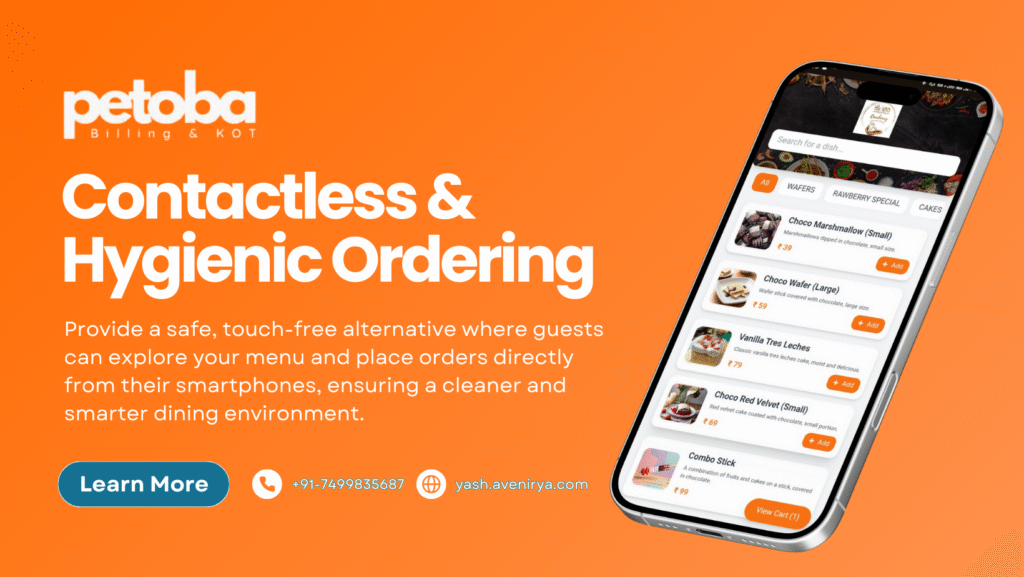
Introduction to Smart Billing Apps
In the rapidly evolving landscape of the restaurant industry, the implementation of smart billing apps has emerged as a transformative solution. These applications are designed to address the myriad challenges that traditional billing processes frequently encounter, such as prolonged wait times, billing errors, and ultimately, customer dissatisfaction. As diners increasingly seek seamless and efficient dining experiences, restaurant operators must adapt by leveraging technology capable of streamlining operations.
Traditional billing methods often rely on manual processes, leading to inefficiencies and the likelihood of mistakes. For instance, servers may miscalculate bills or overlook specific orders, resulting in confusion and frustration for customers. Furthermore, lengthy wait times for checks can diminish the overall dining experience, discouraging patrons from returning. Smart billing apps offer a robust alternative by automating these procedures, ensuring accuracy and speed while enhancing customer satisfaction.
The introduction of intelligent solutions such as Petoba billing, which integrates point of sale (POS) capabilities with advanced management features, is paving the way for a more effective approach to restaurant billing. With the incorporation of functions like real-time tracking of orders and payments, these apps allow restaurant owners to manage their operations more efficiently. Additionally, providing potential users with a trial version enables businesses to evaluate the suitability of the application before full-scale implementation.
The relevance of smart billing apps in today’s restaurant environment cannot be overstated. By overcoming traditional billing obstacles, these innovative tools foster improved customer experiences and operational efficiency, ultimately empowering restaurant owners to thrive in a competitive marketplace. With an eye towards the future, the adoption of smart billing solutions is not simply an option; it is a necessity for restaurants aiming to enhance their services and maintain customer loyalty.
Features of Smart Billing Apps
Smart billing apps have become essential tools for modern restaurants seeking to improve their operations and enhance customer service. One of the key features of these applications is support for mobile payments. This feature enables customers to pay for their meals using their smartphones, streamlining the checkout process and providing a convenient payment solution that meets the demands of today’s tech-savvy diners.
Another significant aspect is inventory management. Smart billing apps ensure that restaurant owners can effortlessly track their stock levels in real time. By integrating this functionality with purchase orders and supplier management, restaurants can avoid stockouts and optimize their ordering processes, leading to better cost management.
Real-time sales tracking is yet another feature that contributes to efficient restaurant management. With data flowing directly from point-of-sale (POS) systems to the billing app, managers can monitor sales performance throughout the day. This capability allows for quick adjustments based on current business trends and helps in making timely operational decisions.
Data analytics serve as a cornerstone function of smart billing apps. These applications provide insights into sales patterns, customer preferences, and overall performance metrics. By leveraging detailed reports and analytics, restaurant owners can identify areas for improvement, tailor their menu offerings, and ultimately enhance customer satisfaction.
Integration with existing POS systems is crucial as well. A smart billing app that works seamlessly with a restaurant’s current POS allows for easier transitions and ensures that all relevant data is captured without disrupting daily operations. This integration enhances efficiency, reduces redundancy, and allows restaurant managers to focus on delivering exceptional service.
In conclusion, by harnessing features such as mobile payments, inventory management, real-time sales tracking, and data analytics, smart billing apps significantly improve restaurant efficiency and customer service, making them indispensable in the contemporary dining landscape.
Benefits of Implementing a Smart Billing App
In today’s competitive restaurant environment, adopting a smart billing app can significantly enhance operational efficiency and customer experience. One of the primary advantages is the financial benefit derived from reduced overhead costs. By streamlining transaction processes, restaurants can minimize errors associated with manual billing and inventory management. This efficiency not only leads to faster table turnover but also maximizes revenue potential. Smart apps, like Petoba billing, utilize integrated management systems that can automatically update inventory and sales records, ultimately saving time and labor costs.
Moreover, the implementation of a smart billing application fosters a superior user experience. Customers appreciate seamless transactions that can be processed quickly, whether they are dining in-house or placing takeout orders through a point-of-sale (POS) system. By using an app that simplifies payment processing, restaurants can enhance customer engagement, leading to increased loyalty. A seamless user experience encourages diners to return to the restaurant, knowing they can expect convenient and efficient service.
Several case studies underline the success of smart billing apps in real restaurant settings. For example, a prominent restaurant chain reported a 30% increase in repeat customers after integrating their operations with a sophisticated restaurant billing app. Patrons cited the ease of payment and efficient order tracking as factors that influenced their decision to return. Furthermore, through targeted promotions and loyalty programs integrated into these apps, restaurants can effectively engage customers and increase their overall spending.
In conclusion, the multifaceted benefits of adopting a smart billing app extend far beyond the immediate financial gains. From enhanced operational efficiency and customer engagement to tangible increases in revenue, investing in a management solution like Petoba billing can lead to significant improvements in a restaurant’s bottom line. As the industry continues to evolve, embracing technology will be crucial for restaurants aiming to thrive and maintain a competitive edge.
Future of Restaurant Billing: The Role of Smart Technology
The restaurant industry is on the brink of transformation, driven by ongoing technological advancements that are reshaping the landscape of operations and customer interactions. Central to this evolution is the adoption of smart billing applications, like Petoba billing, which streamline the payment process and enhance management efficiency in various restaurant environments, including traditional establishments and points of sale (POS).
One significant trend is the increasing implementation of artificial intelligence (AI) in restaurant analytics. AI technologies facilitate data collection and analysis, allowing restaurants to gain insights into customer preferences and behaviors. By leveraging this information, establishments can personalize dining experiences, optimize menu offerings, and improve operational efficiency. For instance, the predictive capabilities of AI can assist restaurant managers in making informed decisions about inventory management and staffing based on anticipated busy periods or consumer trends.
Another notable advancement is the integration of contactless and biometric payment options. As consumers gravitate towards speed and convenience, restaurants equipped with smart billing apps can offer seamless payment experiences through mobile wallets, QR codes, or even biometric recognition systems. This shift not only accelerates the payment process but also enhances security, addressing growing consumer concerns over data protection. Such innovations are becoming crucial as restaurants adapt to new consumer expectations and aim to provide convenient yet secure payment methods.
As consumer behavior continues to evolve, particularly after the pandemic, the demand for flexible dining options grows stronger. Many diners now opt for takeaway and delivery services, further underscoring the necessity for efficient billing solutions. Smart billing apps, such as those offered by Petoba, will play a pivotal role in accommodating these shifting preferences while ensuring accuracy and efficiency in restaurant transactions.
In conclusion, the future of restaurant billing appears promising, characterized by the ongoing integration of smart technologies. As the industry embraces these advancements, restaurants can anticipate significant improvements in customer satisfaction, operational efficiency, and overall management.