Most businesses do not lose leads because people are not interested. They lose leads because the reply comes too late. Email still works for many workflows, but it often creates a delay that makes the conversation feel slower than it should. When a customer expects a quick answer, that delay can quietly kill momentum before the sales team even gets a chance to recover it. That is why more teams are moving first contact and follow-up into WhatsApp, where the conversation feels faster, simpler, and more immediate.
WPLeads is built for that shift. The platform says businesses can build WhatsApp bots without writing code, use keyword triggers, work with a visual flow builder, send interactive messages, and manage contact flow through CRM features. It also says users can get WhatsApp API free in 5 minutes through a self-hosted gateway, with no complex approvals and no long wait. You can explore the platform on WPLeads and see the setup flow on the registration page.
Why Email Slows Down the First Reply
Email still has a place in business, but it often creates distance. A customer sends a message, then waits. The business checks the inbox later. A reply is written after that, and the thread continues in another delayed step. From inside the company, that delay may feel normal. From the customer side, it feels like silence. And silence is where interest cools down.
WhatsApp changes that experience because it feels closer to a live conversation. Most users already use the channel every day, so the message does not feel formal or heavy. It feels direct. That matters when lead response speed affects whether a person keeps talking or moves on.
What WhatsApp Changes for Business Conversations
The real value of WhatsApp is not only speed. It is friction. A customer does not need to open a separate inbox, read a long email, or wait for a formal reply cycle. The business can guide the conversation in smaller steps and keep the response flow active. That reduces the chance that a lead drops out halfway through the process.
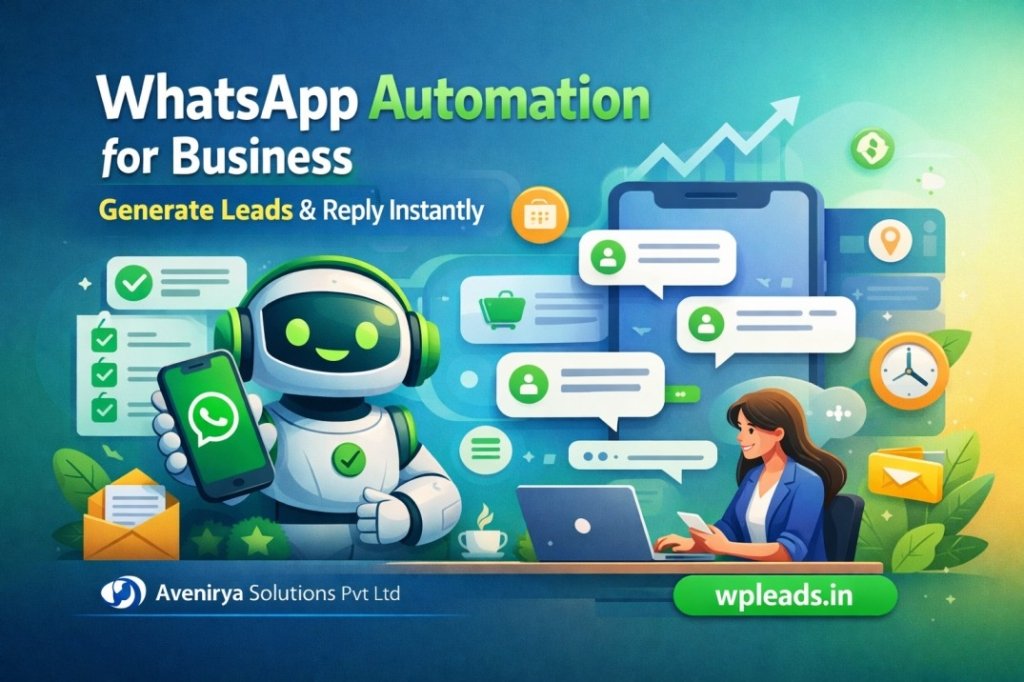
WPLeads fits this kind of workflow because it focuses on WhatsApp automation, not generic messaging. Its keyword triggers and visual flow builder let businesses shape conversations around what the customer does next. That matters when the same type of question appears again and again. A structured flow can keep the response consistent while still feeling personal.
Why This Shift Helps Sales Teams
The biggest problem in many businesses is not lead generation. It is lead handling. A team may bring in enough leads, but if each one needs manual follow-up, the response process gets messy very quickly. Some replies go out late. Some prospects get repeated messages. Some conversations stop halfway because nobody had time to continue them properly.
This is where a WhatsApp workflow becomes useful. When the first reply, the next step, and the follow-up path all live inside one structured flow, the team spends less time chasing conversations and more time moving serious leads forward. WPLeads’ no-code bot building, interactive messages, and free API setup make that shift easier for teams that want automation without a heavy technical build.
The Bigger Realization
The shift from email to WhatsApp is not really about changing channels. It is about changing speed, clarity, and control. Email works when the process can wait. WhatsApp works when the business needs the conversation to stay alive. That is the real difference. The channel itself is only part of the story. The real gain comes from responding while the lead is still warm.
If your team already knows that faster response improves outcomes, the next step is making that speed repeatable. That is where WhatsApp automation matters most. It turns a good sales habit into a system, which is much easier to maintain when lead volume grows.
Where WPLeads Fits In
WPLeads is built for businesses that want WhatsApp automation without code. The site says users can build bots, use keyword triggers, create visual workflows, and manage conversations through CRM-style features. It also says users can get WhatsApp API free in 5 minutes through a self-hosted gateway, which makes setup feel much faster than a traditional technical build.
Final Thought
Businesses are moving from email to WhatsApp because customers expect faster replies and shorter waits. WhatsApp makes the conversation feel lighter, quicker, and more natural. When that speed is supported by automation, the business can respond sooner, keep more leads active, and avoid losing opportunities in the middle of the follow-up process.